
Description
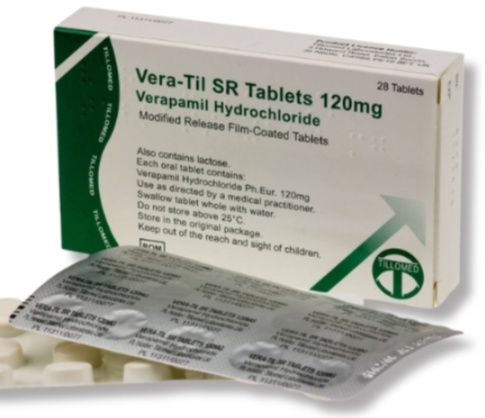
What is Verapamil 80 mg?
Verapamil 80mg belongs to a group known as calcium channel blockers. Doctors use verapamil to treat specific heart and blood vessel conditions. These include high blood pressure, angina, and some abnormal heartbeats. Verapamil standard tablets are available in strengths such as 80mg.
Verapamil works by reducing the amount of calcium that gets into certain muscle cells. It dilates blood vessels and decreases the work load on the heart. It can also slow electrical activity in the heart, which helps control some abnormal heart rhythms.
What Is Verapamil 80mg Used For?
Doctors may prescribe Verapamil 80mg for a variety of cardiovascular conditions. Firstly, it might help to relax blood vessels and lower high blood pressure. It can reduce the workload on the heart and blood vessels by lowering blood pressure.
Second, verapamil may help prevent angina-induced chest pain. It relaxes blood vessels and increases blood flow to your heart . This can help reduce the number of times you have angina symptoms .
Third, some abnormal heart rhythms can be controlled with regular tablets of verapamil. The medication slows the heart rate and impacts electrical conduction through the heart.
Some specialists also prescribe verapamil for cluster headaches. But the right treatment depends on the individual condition and medical history.
What Does Verapamil 80mg Do?
Calcium is important in muscle contraction. Verapamil reduces the amount of calcium entering the muscle cells of the heart and blood vessels. This lets blood vessels relax and open up, which makes it easier for blood to move.
At the same time, verapamil can decrease the heart rate and electrical conduction. It is an action that allows doctors to use it for blood pressure and angina and for certain heart rhythm problems.
How to use Verapamil 80mg?
Take Verapamil 80mg exactly as your doctor has told you to. Dose and frequency of administration depend on the condition being treated, formulation and patient response.
Standard verapamil tablets are taken several times a day. Slow-release products are taken on a different schedule. Patients should not therefore alter the schedule themselves but should follow the instructions on their prescription and medicine leaflet.
Verapamil is normally taken with or without food. Try to get each dose at the same time each day as much as you can. If you’re using a slow release formulation, swallow it whole unless your specific product instructions say otherwise. Do not crush or chew long-acting tablets.
If you miss a dose, take it as soon as you remember unless it is almost time for the next dose. If this occurs, do not take the missed dose. Do not take a double dose to make up for a missed dose.
Verapamil 80mg Common Side Effects
Like other medicines Verapamil 80mg can cause side effects. Constipation is one of the most common reported effects. Other possible side effects include feeling dizzy or lightheaded, headache and heartburn.
Some symptoms require emergency medical attention. These may include fainting, an unusually slow heartbeat, difficulty breathing or swallowing, swelling of the hands or legs, severe weakness, unusual bruising, or yellowing of the skin or eyes. Stop taking and get medical help right away if any of these very serious side effects occur:
Precautions Verapamil 80mg
Before taking Verapamil 80 mg inform your doctor if you have any heart, liver or kidney problems. Also check for low blood pressure, heart failure, or a very slow heart rate. Verapamil may not be suitable for certain heart rhythm conditions.
Also, inform your doctor or chemist of all prescription medicines, over-the-counter products, vitamins, and herbal supplements you are taking. Verapamil can interact with a number of medicines including some antibiotics, some antifungal medicines, some heart medicines, some epilepsy medicines and some cholesterol-lowering medicines.
In particular, while you are taking verapamil, avoid grapefruit and grapefruit juice, as they can raise the level of the medicine in your body and may increase its effects.
Alcohol may also increase some of the effects of verapamil including dizziness and low blood pressure. Be careful, and talk about alcohol with your health care professional.
Can You Just Stop Verapamil 80mg
Do not stop taking Verapamil 80mg without first speaking to your doctor. Verapamil treatment is usually long term and stopping treatment abruptly may lead to an increase in blood pressure or a recurrence or worsening of the cardiac condition being treated.
Your doctor will know whether to continue, adjust or slowly change your treatment based on your condition.
Google Search / Questions People Also Ask
What is Verapamil 80mg used for?
Verapamil 80mg may be prescribed to you for high blood pressure, angina and some irregular heart rhythms.
Is verapamil 80mg a high blood pressure medication?
Yes. Verapamil is a calcium channel blocker that may help lower blood pressure by relaxing and widening blood vessels.
Does 80mg Verapamil reduce heart rate?
Yes. One reason doctors use verapamil for some irregular heartbeats is that it can slow the electrical conduction in the heart.
Common side effects of Verapamil 80mg What are the common side effects of Verapamil 80mg?
Possible common side effects include constipation, dizziness, lightheadedness, headache, and heartburn.
Can I take grapefruit juice with Verapamil 80mg?
No Grapefruit and grapefruit juice may increase levels of verapamil and may make side effects worse.
How long does it take for Verapamil to work?
Verapamil starts to work on the day you start treatment. It may take about one to two weeks to have its full effect for some conditions.
Final thought
Verapamil 80mg is a classic calcium channel blocker that is used for many cardiovascular diseases. It can relax blood vessels, lower blood pressure, help prevent angina and control certain irregular heart rhythms. But the right dose and formulation differ from person to person.

Reviews
There are no reviews yet.