
Description
Zantac 150mg: Uses, Benefits, Dosage, Side Effects and Safety
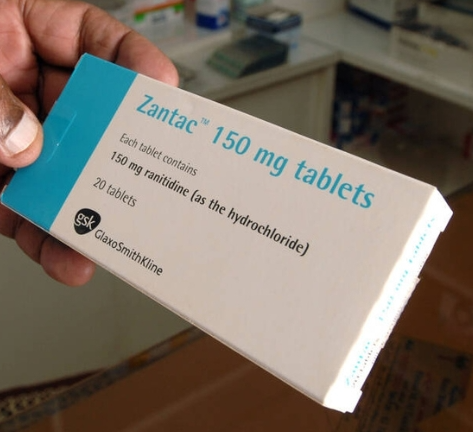
Zantac 150mg is a medicine related to ranitidine, an H2-receptor antagonist that reduces the amount of acid produced by the stomach. Ranitidine is used to treat heartburn, acid indigestion, gastro-oesophageal reflux disease (GERD), and peptic ulcers. However, there have been significant safety and regulatory changes in the history of ranitidine, so consumers should review the specific formulation and current product information prior to use.
What is Zantac 150?
Zantac was a popular brand of ranitidine 150mg. The drug works by blocking histamine H2 receptors in the stomach. Thus it decreases the production of stomach acid and may help to decrease acid-related symptoms.
The 150mg strength has been available in ranitidine formulations for heartburn and other acid-related conditions. Current U.S. labelling also shows reformulated ranitidine 150mg products for acid reduction.
Crucially, not all products sold as “Zantac 150mg” should be presumed to be a current formulation. In 2020, the U.S. FDA requested that manufacturers remove ranitidine products from the market because testing demonstrated that NDMA impurities could increase over time and at higher temperatures.
How Does Zantac 150mg Work?
Zantac 150mg, in terms of ranitidine, decreases stomach acid by blocking H2 receptors. It may help relieve symptoms caused by excess stomach acid.
For example, decreasing stomach acid may help to relieve:
- Heartburn (indigestion)
- Indigestion Acid
- Upset stomachs
- Symptoms of acid reflux
- Some symptoms related to ulcers
The current U.S. OTC labelling for ranitidine 150mg states that it relieves heartburn associated with acid indigestion and sour stomach and is able to prevent heartburn associated with certain foods and drinks.
Uses of Zantac 150mg
Historically, ranitidine has been used by physicians and other health care professionals for a variety of acid-related conditions. These include GERD, stomach ulcers, intestinal ulcers and some disorders that produce an excessively high amount of acid.
However, treatment depends on the condition of the patient. Patients should therefore follow the instructions on the product label they are using or seek the advice of a qualified healthcare professional.
Zantac 150 Mg Dosage
The appropriate dose depends on the formulation, medical condition, age, kidney function and whether the medicine is being used as an OTC or prescription product.
For some conditions, older prescriptions included regimens of ranitidine 150 mg once or twice daily. The labelling on OTC ranitidine today has directions and warnings of its own.
So don’t just follow an old Zantac or ranitidine dosing schedule because you see it online. Follow the package directions and ask a chemist or doctor if you have questions.
Potential Side Effects
Ranitidine, like other medicines, can cause side effects. Some people may develop a headache, nausea, stomach upset, diarrhoea or constipation. More serious reactions are rare but need prompt medical attention.
“Also, you shouldn’t just assume that persistent heartburn is no big deal. Current OTC labelling advises consumers to seek professional advice for warning symptoms including difficulty or pain swallowing, vomiting blood, black or bloody stools, unexplained weight loss, persistent stomach pain or certain chest symptoms.
Important Safety Information
Zantac and ranitidine have a history that deserves special attention. In 2020, the FDA asked manufacturers to pull all ranitidine products from the U.S. market because of concerns about the formation of the impurity NDMA.
Following that, on November 24, 2025, the FDA approved a reformulated ranitidine product after a safety review and manufacturing changes to address the prior NDMA impurity concerns. The agency says the reformulated product is based on revised storage and handling requirements.
Therefore, consumers should confirm the particular product, manufacturer, label and regulatory status before taking ranitidine. Older stock should not be assumed to be the same as the newer reformulated products.
Who Should Be More Careful?
People with kidney disease should talk to a healthcare professional before taking ranitidine because kidney function can affect how the medicine is processed. Current consumer labelling for ranitidine also advises people taking prescription medicines to talk to a doctor or chemist about possible interactions.
People who are pregnant or breastfeeding should also get professional medical advice before taking a ranitidine product.
Common questions and answers about Zantac 150mg
Is Zantac 150 mg the same as Ranitidine?
Zantac is a brand name historically associated with the drug ranitidine. The important thing today is to check the active ingredient and the specific formulation, because the ranitidine products have had important changes in the regulatory and manufacturing aspects.
What is Zantac 150mg used for?
Ranitidine 150mg reduces acid in the stomach and has been used for heartburn, acid indigestion, GERD, ulcers and other conditions caused by too much acid.
Can I take an old pack of Zantac 150mg?
Older packs are not necessarily safe or the same as a current reformulated product. Read product details and talk to a chemist or doctor, especially as earlier ranitidine products have been withdrawn due to concerns of NDMA impurity.
How long can I take ranitidine 150mg for?
How long you are on treatment will depend on the product and the reason you are using it. The label on the OTC product advises that if heartburn persists or worsens, or if the product is needed for longer than 14 days, use should be stopped and a health care professional consulted.
Final thought
Zantac 150mg is closely related to ranitidine, a drug that reduces stomach acid and has been used to treat heartburn and reflux-related problems. However, ranitidine has a complex regulatory history. Earlier products were recalled in the United States because of concerns about NDMA. After further safety testing and changes in how it’s made, the FDA later approved reformulated ranitidine.
Reviews
There are no reviews yet.