
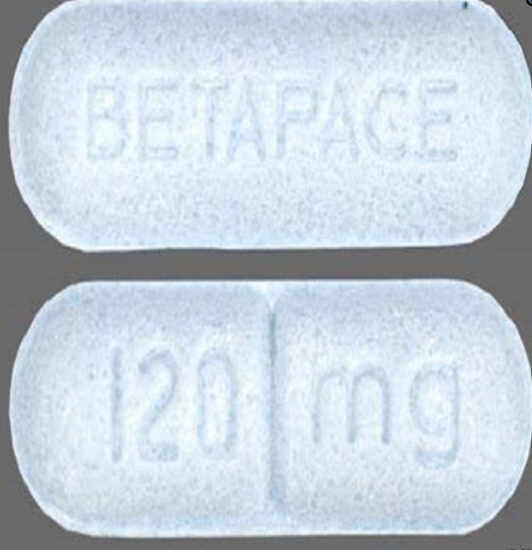
Description
Betapace 120mg: Uses, Side Effects, Warnings & Precautions
Betapace 120mg is a medicine used to treat certain types of irregular heart beat (arrhythmia). It contains 120 mg of sotalol hydrochloride as the active ingredient. It is part of a group of medicines called antiarrhythmics which work to control abnormal heart rhythms. Doctors use it for serious ventricular arrhythmias or to help keep a normal heart rhythm in people with atrial fibrillation or atrial flutter.
What Is Betapace 120mg?
Betapace 120mg contains sotalol. Sotalol has both beta-blocking and antiarrhythmic properties. It is based on the electrical activity of the heart and can help to stabilise abnormal rhythms. Therefore, it is used by health care providers for certain heart rhythm problems, but not for routine treatment of uncomplicated high blood pressure.
Betapace 120 mg Uses
Doctors may prescribe Betapace for some patients with:
- Ventricular arrhythmias, serious
- Atrial fibrillation
- Flutter of the atrium
- Treatment of disordered heart rhythms with antiarrhythmic drugs
But the medicine is not for everyone. Before starting treatment, a health care professional should assess the patient’s heart rhythm, medical history, kidney function, and other risk factors.
What Is Betapace?
Sotalol works by affecting the electrical signals that control the heart beat. In addition, its beta-blocking action may affect heart rate and the workload on the heart. It can thus help regulate some abnormal rhythms and help prepare a more regular heartbeat.
Betapace 120mg Dose
The dose to be employed should be suited to the patient’s condition and renal function. The official prescribing information for sotalol calls for careful monitoring and adjusting the dose during treatment. Patients must take Betapace exactly as directed and should never adjust the dosage on their own.
Side Effects Possible
Some patients may present with:
- Lightheadedness
- Fatigue
- bradycardia
- Dyspnoea
- Fragile
- Nausea.
More importantly, Betapace can cause serious changes in the electrical rhythm of the heart. QT prolongation can cause a potentially fatal ventricular arrhythmia. Therefore, cardiac monitoring should be performed appropriately at the time of treatment initiation or reinitiation.
Important Warning
Betapace has a black box warning for potentially life-threatening proarrhythmia from QT interval prolongation. Healthcare providers can monitor the ECG and adjust treatment as necessary. Kidney function is also important and the dosing interval should be adjusted according to creatinine clearance.
Betapace is not indicated for patients with certain conditions such as marked sinus bradycardia, certain types of heart block, congenital or acquired long-QT syndrome, hypokalaemia, cardiogenic shock, decompensated heart failure or bronchial asthma.
Drug Interactions and Cautions
Before you start taking Betapace, tell your doctor about all your medicines and supplements. In particular, discuss other drugs which can affect heart rhythm. The prescribing information also recommends avoiding Betapace within two hours of antacids containing aluminium oxide or magnesium hydroxide.
Summary
Betapace 120 mg is a prescription antiarrhythmic containing the active ingredient sotalol hydrochloride. It can help control some abnormal heart rhythms but needs close monitoring by a doctor, as it can affect the electrical rhythm of the heart. Follow the advice of your healthcare professional and attend any recommended appointments for heart monitoring.
Reviews
There are no reviews yet.