
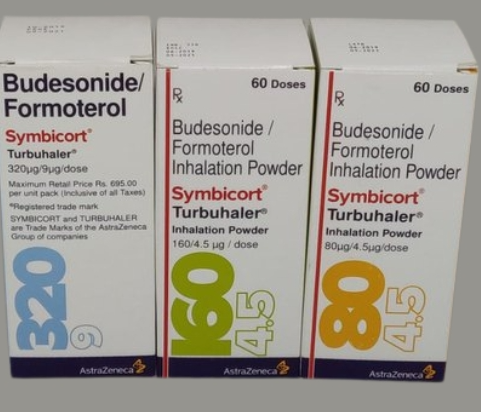
Description
Budesonide Tablets: Uses, Dosage, Side Effects and Safety
Budesonide tablets are prescription corticosteroid medications that may help to reduce inflammation. Your doctor may prescribe other oral budesonide products to treat inflammatory conditions of the digestive tract. Some extended-release tablets are specifically indicated for induction of remission in adults with active, mild to moderate ulcerative colitis. Other oral products may be used for conditions such as Crohn’s disease depending on the product and formulation.
What Are Budesonide Tablets?
Budesonide is a type of medicine called a corticosteroid. The drugs reduce inflammation and may help control an overactive immune response. But not all budesonide products work the same way or treat the same condition. Therefore, patients should use the formulation prescribed for them specifically.
Budesonide Tablets
Some inflammatory bowel diseases may be treated with oral budesonide prescribed by your doctor. For instance, some extended-release tablets are approved to induce remission of active mild-to-moderate ulcerative colitis. Capsules of delayed-release budesonide are also used to treat some types of Crohn’s disease.
Therefore, patients should read their prescription and medicine leaflet carefully and not assume all budesonide products are used in the same way.
What is the mechanism of action of budesonide?
Budesonide is a corticosteroid that acts in the tissues of the underlying disease. It acts as a corticosteroid and may help reduce swelling and activity in the immune system. Symptoms may get better when patients take the medicine as directed.
Dosage & Administration
The appropriate dose will be determined by the particular budesonide formulation, medical condition, age and response to therapy . For example, the US prescribing information for one 9 mg extended-release tablet formulation recommends that adults with active, mild to moderate ulcerative colitis take 9 mg once daily in the morning for up to eight weeks . However, patients should follow their own prescription and not duplicate the dosage of another product.
Do not alter the dose, crush or chew a modified release tablet, or discontinue treatment without consulting a professional.
Side Effects Possible
Like all medicines, budesonide can cause side effects, but not everybody gets them. Corticosteroids may cause the following effects:
- Headaches
- Indigestion or upset stomach
- Mood swings
- High blood pressure
- Blood sugar went up
- Water retention.
- Risk of infection increased
Higher doses or longer treatment may raise the chance of side effects.
Warnings & Precautions
Budesonide can weaken the immune system. So, let your health care provider know if you have an infection or develop symptoms such as fever or chills. Tell your doctor if you have liver problems, had treatment with steroids, or other medical conditions before you start therapy.
Some medicines can also affect the level of budesonide in your body. So tell your doctor or chemist about all the prescription medicines, over-the-counter products, and supplements you take.
Summary
Budesonide tablets can help manage inflammation that occurs with certain digestive conditions. But the different formulations have different approved uses and dosing instructions. Always follow the instructions given with your specific prescription and talk to a healthcare professional if you have any troublesome or unusual symptoms.


Reviews
There are no reviews yet.