
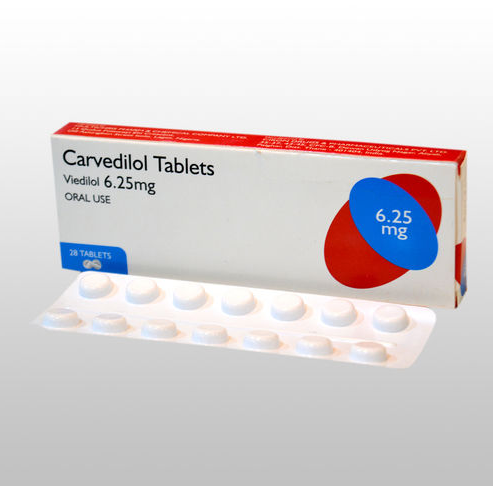
Description
What Is Carvedilol?
Carvedilol is a prescription drug, which is in a group of medicines called beta-blockers. Doctors often prescribe it for high blood pressure and heart failure. They may also recommend it after a heart attack to help the heart and improve survival.
The drug slows the heart rate and dilates the blood vessels. This makes it easier for the heart to pump the blood. It can also lower your blood pressure and reduce the workload on your heart.
What are the uses of Carvedilol?
Doctors may prescribe carvedilol to treat:
- Hypertension
- Heart failure.
- Protecting your heart after a heart attack
- Other heart problems, depending on the patient
But carvedilol does not cure these conditions. Instead it helps to manage them. So it often has to be taken for a long time, under medical supervision.
How Does Carvedilol Work?
Carvedilol (Coreg) blocks some of the effects of hormones like adrenaline. This slows the heart and makes it beat with less force. It helps to dilate blood vessels. These effects combined improve blood flow and reduce blood pressure.
Some effects may occur in hours, but the full benefit may take days or weeks. This is why you have to keep taking the medicine as directed, even if you do not see an immediate change.
How to Take Carvedilol
Take carvedilol exactly as your doctor has told you to. The right dose depends on your condition, the type of medicine, your general health and how you respond to treatment. Usually a doctor will start with a small dose and gradually increase it.
Here are some simple safety tips:
- Take each dose at the same time each day
- Take your medication with food as directed on the prescription label.
- Take the medicine as directed.
- Don’t change the dose yourself.
- Do not stop carvedilol abruptly.
If you stop taking carvedilol, your chest pain or other heart problems may get worse. So check along with your doctor before you make any changes.
What If You Take Too Much?
Take the missed dose as soon as you remember it. But if it is near the time for the next dose, skip the missed dose and go back to your regular schedule. Do not take two doses at the same time to make up a missed dose.
If you frequently miss doses, set a phone reminder or ask a pharmacist for practical advice.
Common side effects of carvedilol
Some people have mild side effects, especially when they first start treatment or after a dose increase. . Typical issues are:
- Feeling dizzy or light headed
- Fatigue
- Headache.
- Diarrhoea
- Slow heart rate (bradycardia)
- Hypotension
To prevent dizziness, stand up slowly when you are sitting or lying down. Also, do not drive or use machines until you know how the medicine affects you.
Speak to your doctor or chemist if a side effect is severe, worries you or does not go away.
Severe Side Effects and Cautions
Get immediate medical attention if you have any of the following symptoms:
- Breathing or swallowing problems
- Swelling of the face, lips, tongue or throat
- pain in chest
- Swoon
- A very slow or uneven heartbeat
- Very difficult breathing
- Sudden weight gain or swelling of the legs, feet, or hands
These symptoms may be a sign of a serious reaction or a heart problem getting worse. So don’t write them off.
Who should be careful when taking Carvedilol?
Tell your doctor if you have any of these before taking Carvedilol:
- Asthma or other breathing difficulty
- A pulse that is slow or irregular
- Hypotension
- Diabetes.
- kidney, liver or circulation problems
- Thyroid Troubles
- Food allergy, anaphylaxis
- Pregnancy, planning to get pregnant or breastfeeding
Carvedilol may also mask some of the warning signs of low blood sugar, such as rapid heartbeat. Therefore, people with diabetes may require closer surveillance.
Does carvedilol interact with other drugs?
Yes. Carvedilol can interact with some heart medicines, blood pressure medicines, diabetes medicines, and other products. Also, alcohol can cause you to feel dizzy or lightheaded.
So make sure you let your doctor and chemist know about all the prescription medicines you take, and any over-the-counter products, vitamins and herbal supplements. Never begin or discontinue any other medicine without professional advice.
Safety Tips
Follow these steps for more safe use of Carvedilol:
- Check your pulse and blood pressure if your doctor advises.
- Go to all medical appointments.
- CAUTION: Rise slowly to prevent dizziness.
- Choose a heart-healthy diet.
- Talk to your healthcare provider about limiting alcohol intake.
- Report any new or worsening symptoms promptly.
Follow your personal treatment plan most of all. The correct dose and monitoring needs will vary from patient to patient.
Frequently Asked Question
What is carvedilol? Is it a blood pressure drug?
Yes. Carvedilol is prescribed by doctors for high blood pressure. It may also help manage heart failure and protect the heart after a heart attack.
Does carvedilol reduce heart rate?
Yes. It may block some effects of adrenaline and slow the heart rate. But if your pulse slows down a lot or you feel faint, call your doctor.
Is carvedilol taken with food?
Instructions may vary depending on formulation and condition. Carvedilol products are commonly taken with food, which may lessen the likelihood of becoming dizzy. Follow the directions on your prescription label and the instructions from your healthcare professional.
Will carvedilol make me tired?
Yes. Fatigue is a common side effect, especially at the beginning of treatment or after a dose increase. It might get better as your body gets used to it.
Yes. When you are feeling better, you can stop taking carvedilol.
Nope. Don’t shut it off suddenly. Sudden withdrawal may worsen heart problems. Instead, ask your doctor how to safely reduce or stop it.
How long does it take carvedilol to start working?
You may feel it working within hours, but it can take days or weeks to get the full benefit. Follow the instructions for treatment.
Can I drink alcohol when I take carvedilol?
Alcohol can increase the blood pressure lowering effect of the medicine and increase dizziness. Ask your doctor or chemist what is safe for you to take.
**Can I take Carvedilol if I am pregnant?**
Only a health care professional can advise on the benefits and risks during pregnancy. Tell your doctor if you are pregnant, plan to become pregnant or are breastfeeding.
Concluding Thoughts
Carvedilol is used to treat high blood pressure, heart failure, and certain heart conditions after a heart attack. It works by slowing the heart and relaxing the blood vessels. But it can cause dizziness, tiredness and other side effects. Use only as directed. Do not abrupt stop. Seek medical attention for severe symptoms.
Reviews
There are no reviews yet.