
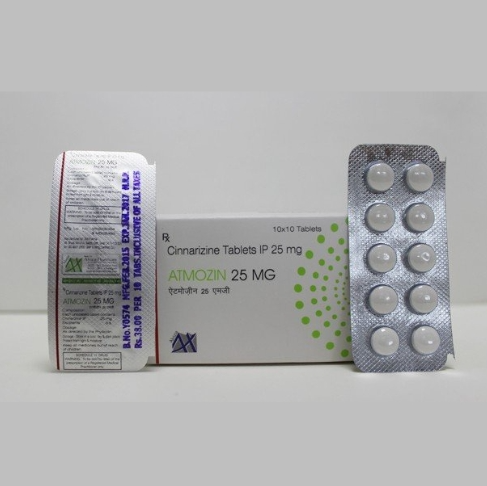
Description
What is Cinnarizine 25mg?
Each tablet of Cinnarizine 25mg contains 25 milligrammes of cinnarizine. The medicine stops some of the actions of histamine in the brain. It also interferes with the signals for balance and movement. This can therefore reduce dizziness, spinning sensations, nausea and motion sickness.
Cinnarizine is a sedating antihistamine. So it can make you drowsy. Its availability varies by location, too. In some countries you’ll need a prescription; in others a chemist will provide it.
Cinnarizine 25mg is used to treat:
Your healthcare provider may prescribe cinnarizine for:
- Dizziness, or the feeling of spinning
- Dizziness caused by inner ear or balance problems
- Vertigo with nausea and vomiting
- Travel sickness (car, boat or plane)
- Symptoms of Meniere’s disease
- Tinnitus in association with specific vestibular disorders
Cinnarizine may help with the symptoms, but not the underlying problem. So if you feel dizzy suddenly, or the dizziness keeps coming back, or is very bad, see a doctor.
What is Cinnarizine 25mg for?
The medicine decreases the effect of histamine and helps to calm signals between the inner ear and brain. The brain then becomes less responsive to movement – related signals that can induce nausea or vertigo .
But cinnarizine doesn’t work immediately for everybody. Time to help depends on the condition, dose and individual response.
How should you take Cinnarizine 25mg?
Take Cinnarizine 25mg exactly as your doctor, chemist or product leaflet instructs. Don’t take a dose from an online article, as recommended doses vary by age, condition, country and tablet strength.
Usually the tablet after food can reduce stomach discomfort. Take it with water, unless your product instructions say otherwise. Do not take an additional tablet to make up for a missed dose unless your healthcare professional tells you to.
If you take more than the recommended dose, call your doctor, poison-control centre, or emergency department immediately. Too much can cause noticeable drowsiness, confusion, vomiting, weakness, shaking, an abnormal heartbeat or seizures.
Side effects Common
Like all medicines Cinnarizine can cause side effects. Possible effects include:
- Drowsiness or sleepiness
- Nausea or upset stomach
- Bloating or heartburn
- Weight gain
- Dry mouth, headache
These effects may improve as your body gets used to it. But if they do, or if they cause you any trouble, talk to your doctor or chemist.
Serious adverse effects
Get medical help right away if you have:
- Swelling of the face, lips, tongue or throat
- Severe Allergic Reaction/Trouble Breathing
- Yellow eyes or skin, dark urine or other signs of liver problems
- New muscle stiffness, twitching, slow movements or shaking
- A serious or unusual skin rash
Long-term use of cinnarizine may increase the risk of side effects related to movement in older people. Long-term treatment therefore must be subject to adequate medical review.
Who should be talking to a doctor first?
Do not take cinnarizine if you:
- Have Parkinson’s Disease
- Living with epilepsy
- Have liver or kidney disease
- Have glaucoma or are at risk of angle-closure glaucoma
- prostate problems or difficulty urinating
- Get porphyria
- Are pregnant, planning pregnancy or breastfeeding
- Take sleeping pills or sedatives, strong painkillers, antidepressants or other medicines that make you sleepy
Be sure to tell the healthcare professional about any allergies and all the medicines or supplements you take.
Can I drive after taking cinnarizine?
Cinnarizine may make you feel sleepy. So if you feel sleepy, dizzy or less focused, do not drive, cycle, operate machinery or do anything risky. First, find out how the drug affects you.
Can I drink alcohol while taking cinnarizine?
Do not drink alcohol when taking cinnarizine as it can increase the drowsiness. Other sedating medicines may also increase this effect . Always consult a chemist when mixing medications.
FAQs
Is Cinnarizine 25mg used for dizziness?
Yes. Cinnarizine is used by health care professionals for the treatment of vertigo, nausea and dizziness caused by certain balance or inner ear problems. There are many causes of vertigo so you should have a proper diagnosis.
Does Cinnarizine 25mg cause sleepiness?
Yes, sleepiness is a common side effect. Hence, do not operate machinery or drive if the medicine affects your alertness.
Are you taking cinnarizine 25 mg Daily?
Only take it for as long as your doctor or chemist tells you to. Daily or long-term use is not for everyone, especially the elderly and those with Parkinson’s disease.
When should I take cinnarizine, before or after food?
You can take it after meals to help with stomach upset. Always follow the instructions that came with your specific product.
Is Cinnarizine 25mg safe in pregnancy?
In some clinical guidance cinnarizine is not routinely recommended in pregnancy. So if you are pregnant or nursing, check with your doctor before using it.
Is Cinnarizine 25mg safe for children?
Recommended strengths and age limits vary by product and country. Do not give to a child without confirmation from a doctor or chemist that the product and dose are appropriate.
Is cinnarizine a painkiller?
No. Cinnarizine is an antihistamine that is used mainly for motion sickness and symptoms of balance disorders. It doesn’t act like a regular painkiller.
Key point
Cinnarizine 25mg may help control motion sickness, vertigo, dizziness, nausea and symptoms of some inner ear disorders. However, it can cause drowsiness and may interact with alcohol or sedative drugs. So take professional advice, read the product leaflet and never exceed the recommended dose.




Reviews
There are no reviews yet.