
Description
Clobetasone: What Is It?
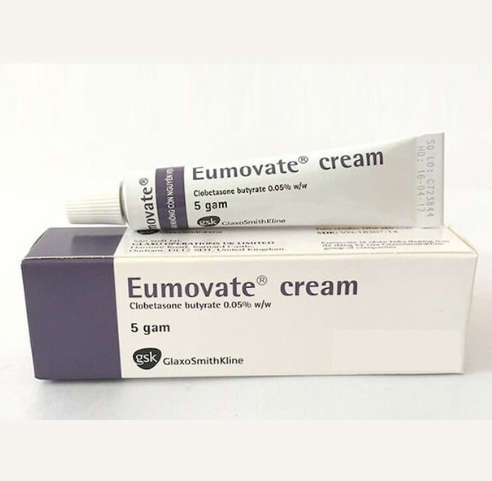
Clobetasone, also known as clobetasone butyrate, belongs to a group of medicines called corticosteroids. It is generally available as a cream or an ointment for external use. Clobetasone butyrate 0.05% is usually described as an intermediate-potency topical steroid.
The drug reduces inflammation in the skin. Thus it can relieve itching, redness and swelling in a few days. How long it takes to get better, though, depends on the condition and how bad it is on the skin.
Clobetasone is used to treat skin problems such as redness, swelling, and itching.
Your healthcare professional may recommend clobetasone cream for:
- Eczema
- Irritant or allergic dermatitis
- Seborrhoeic dermatitis
- Reactions to insect bites
- Other skin conditions that are red, itchy and respond to steroids
It can also be prescribed by a doctor as a maintenance treatment between courses of a stronger topical steroid. Not all products are suitable for all conditions. Always read the label and follow the instructions given by your prescriber.
Ointment vs Cream: Which Is Better?
The two types are good for different skin types:
- Creams are often good for moist or weeping skin.
- Ointment is greasier, and works well for dry or flaky skin.
But a health professional can help you choose the best form for your symptoms.
Clobetasone – How To Use
Use Clobetasone exactly as prescribed. Steps of general application may include:
- Wash & dry hands.
- Apply a thin layer to affected skin only.
- massage it in gently until the skin soaks it in.
- If you are not treating them, wash your hands again.
- Allow the medicine to soak in before applying an emollient.
Many of the prescribed products are applied once or twice daily. But your directions might be different. Do not use more cream because a larger amount may not work faster. Also, overuse can increase the chance of side effects.
Do not bandage or cover the treated area with a dressing or nappy unless told to do so by a clinician. Covering the skin may increase absorption of medicine.
Where should you not use it?
Do not use Clobetasone in or near the eye. Also, do not use it on the face unless directed by a physician. Facial skin is thinner and more readily absorbs medicine.
Consult a health professional before use on broken skin, skin folds, genitals or large area. And, don’t use it for acne, rosacea, or for any untreated bacterial, fungal, or viral skin infection. Steroids can mask symptoms or exacerbate certain infections.
Potential Side Effects
When used properly, most people do not develop serious problems when using topical steroids for a short period of time. Temporary burning, stinging, irritation or itching may occur where you apply the medicine.
Long term, frequent or excessive use may increase risk of:
- Thinner, more delicate skin
- Alterations in skin colour
- More hairs grow
- Risk of skin infection increased
- Rare effects due to increased absorption in the body
- Steroid withdrawal reactions following prolonged/inappropriate use
If the skin becomes more swollen, develops a widespread rash or worsens, discontinue use and consult a healthcare professional. Also, seek advice if redness or burning spread beyond the original area after stopping long-term treatment.
How long should clobetasone be used?
Length of treatment depends on the product, your age and your skin condition. Some over-the-counter products are only for short courses. Prescribed treatment may be on another schedule in the meantime.
Don’t take it daily for weeks or months unless your doctor is supervising you. If you have been taking it regularly for a long time, talk to your doctor before stopping, as they may recommend tapering it off.
Can children use clobetasone?
Children absorb topical medication through their skin in larger amounts than adults. In this way they will have a higher risk of unwanted side effects. Age limits also vary between brands and countries.
Therefore, do not give Clobetasone to children unless a doctor or chemist has looked at it first. “Take the exact dosage and exact amount of time they give you.
Clobetasone During Pregnancy & Breastfeeding
If you are pregnant, planning to become pregnant or breastfeeding, tell your doctor or chemist before you are given this medicine. They can judge the affected area, the amount you need and how long you may need the medicine. If treatment is approved for use while you are breastfeeding, do not apply it to an area where a baby could come into direct contact with it unless your clinician specifically tells you to.
When to See a Healthcare Professional
Call a healthcare professional if:
- Your skin can worsen during treatment.
- You see signs of infection such as pus or increasing pain, warmth or spreading redness.
- The condition does not get better in the time stated on the label.
- Symptoms come back soon after treatment is stopped.
- Your vision is blurred or has changed in some other way.
- You need to apply the medicine repeatedly or to a large area.
FAQs
Is clobetasone a fungal cream?
No. Clobetasone is a topical corticosteroid and not an antifungal medicine. A steroid alone, when used on a fungal infection, may worsen the problem or make it harder to recognise.
Clobetasone is a medium-potency steroid.
Clobetasone butyrate 0.05 % is usually classified as a moderate-potency topical steroid. Do not confuse it with clobetasol, which is a different and much stronger steroid.
Is clobetasone cream safe for the face?
Use it on the face only on the advice of your doctor. The skin on the face is more likely to thin and produce other side effects.
Does Clobetasone treat eczema?
It may help reduce inflammation, redness and itching in some forms of eczema. But it will not be a cure for eczema forever. Treatments may also include moisturisers and avoiding triggers.
How often can I use Clobetasone?
Use it only as often and for as long as your prescription or product leaflet advises. Do not take this drug daily for a long period of time without a doctor’s supervision.
How fast does Clobetasone work?
A few people see an improvement within days. If the condition worsens or does not improve within the treatment period stated on the product, consult a healthcare professional.
Is it okay to put a cream on top of clobetasone?
Many times you can use both treatments. Allow sufficient time for the steroid to soak in before applying the moisturiser and follow your clinician’s instructions.
What should I do if I miss a dose?
Use it when you remember unless it is nearly time for the next application. Don’t double up to make up for a missed dose.
- Clobetasone cream side effects and uses
- What is Clobetasone cream used for?
- Clobetasone is a medium potency steroid.
- Clobetasone for eczema cream
- How long does it take for Clobetasone to work?
- Can I use Clobetasone on my face?
- Clobetasone cream children
- Difference between clobetasol and clobetasone
- How to safely take Clobetasone cream
- Can I use Clobetasone with moisturiser?
Answer: Public-Type Question Ideas
- How does clobetasone work on the skin?
- When do I stop taking clobetasone?
- What is the use of Clobetasone in Eczema?
- Where should clobetasone not be used?
- Clobetasone cream or ointment – which is better for you?
- Who should not take Clobetasone?
- Does Clobetasone make a skin infection worse?
- Does Clobetasone thin the skin?
- How often can I use Clobetasone?
- Is clobetasone the same thing as clobetasol?
Overall
Clobetasone is used to treat inflammation, itching and redness of various skin conditions. Important is safe use, although it often works within a few days. Apply sparingly, observe the recommended treatment period, and do not use on sensitive areas unless advised by a clinician. Finally, see your doctor if your symptoms worsen, seem infected, or return soon after treatment.
Reviews
There are no reviews yet.