
Description
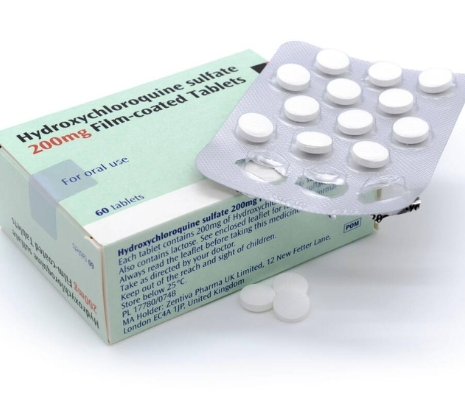
What Is Hydroxychloroquine 200mg?
Hydroxychloroquine is available in the form of a tablet to take by mouth. The 200mg strength is hydroxychloroquine sulphate 200mg. Doctors may prescribe different dosing schedules depending on the medical condition. So the patient should really follow the prescription and not change the amount themselves.
What Is Hydroxychloroquine Used For?
Doctors can prescribe hydroxychloroquine 200 mg to treat a number of conditions. They include:
- Prevention and treatment of particular forms of malaria
- Rheumatoid arthritis (RA)
- Systemic lupus erythematosus (SLE) is
- Discoid lupus erythematosus (DLE)
Hydroxychloroquine can reduce the activity of the immune system in certain autoimmune diseases. However, it may be weeks or months before patients see an improvement in rheumatoid arthritis symptoms.
What is Hydroxychloroquine?
Hydroxychloroquine is an antimalarial medicine. It works against the parasites that cause malaria. It can reduce abnormal immune activity in autoimmune diseases.
However, the medicine is not instantaneous. Therefore, patients should not increase the dose simply because they do not see an immediate improvement.
How to use hydroxychloroquine?
Take hydroxychloroquine exactly as prescribed and follow the instructions of your health care professional. MedlinePlus advises patients to take the tablets with food or milk. Patients should take the tablets as directed, not change the dosage on their own.
Let your doctor know about all prescription medicines, over-the-counter products, vitamins, and supplements you use. Hydroxychloroquine can interact with some medicines.
Important Safety Information
There are important medical benefits to hydroxychloroquine, but there are also potential risks. Prolonged therapy may result in irreversible and serious damage of the retina. Your doctor may recommend regular eye exams while you are being treated.
Hydroxychloroquine can also impact the heart. FDA prescribing information warns of cardiomyopathy and potentially serious ventricular arrhythmias.
Also, hydroxychloroquine can give you low blood sugar and other side effects. If you see a big change in your vision, faint, have an irregular heartbeat, extreme weakness or other symptoms that worry you, call a healthcare professional right away.
Side Effects Common
Some may have:
- Nausea
- Headache.
- Diarrhoea
- Pain abdomen
- Nausea and Vomiting
- Loss of appetite
- Changes in hair or skin
But not everyone experiences these effects. If the symptom is severe or persistent, please consult your healthcare professional.
FAQs
Hydroxychloroquine 200mg is a prescription drug.
Yes. Hydroxychloroquine is a prescription medication and should only be used under the direction of a qualified healthcare professional.
What is hydroxychloroquine 200 mg used for?
It may be used by doctors for certain types of malaria, rheumatoid arthritis, systemic lupus erythematosus and discoid lupus erythematosus.
Does hydroxychloroquine need to be monitored for the eyes?
Yes. Long-term use can cause retinal toxicity and healthcare professionals may recommend eye examinations based on the patient’s treatment and risk factors.
Can I change my dose if I am feeling better?
No. Always follow your doctor’s directions. Taking more than the recommended dose without medical advice can increase the risk of side effects and make the treatment less effective.
Summary
Hydroxychloroquine 200mg can be an important part of treatment for some autoimmune diseases and malaria. But it needs responsible medical use because it can impact eyes, heart, blood sugar and other body systems. So check with a qualified healthcare professional before starting or changing treatment. Your healthcare professional will discuss your medical history and current medicines with you.
Reviews
There are no reviews yet.