
Description
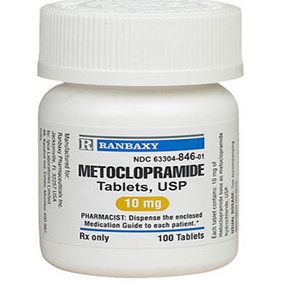
Metoclopramide 10mg Uses, Benefits, Dosage and Safety
Metoclopramide 10mg is a prescription drug that is commonly used to help control nausea and vomiting. It is part of a group of medicines called antiemetics. Also metoclopramide may help promote motility in the upper digestive tract. It may be prescribed by your doctor for some types of nausea and vomiting, including symptoms related to migraine, surgery, chemotherapy or radiotherapy.
What is Metoclopramide 10mg –
Metoclopramide comes in several forms, including tablets, liquid and injections. The shot is usually given by health care professionals in a clinic or hospital. The 10mg tablet is a strength that is commonly available.
Doctors usually recommend a short course of treatment because metoclopramide can cause neurological side effects. The NHS guidance is that it is usually prescribed for no longer than five days.
What Is Metoclopramide 10mg Used For?
Metoclopramide 10mg can be prescribed by doctors to prevent or treat nausea and vomiting. For example, it can be used for:
- Nausea and vomiting related to migraine
- Nausea and vomiting after surgery
- Nausea from some cancer medicines
- Other specific situations where a doctor considers an anti-sickness medicine to be suitable
Additionally, metoclopramide tablets typically take effect in about 30 to 60 minutes.
What does metoclopramide do?
Metoclopramide is thought to work primarily by blocking dopamine receptors involved in the vomiting response. It can also cause problems with movement in the digestive tract. Therefore it can be used to relieve nausea and vomiting and promote gastric emptying.
The medicine, however, is not suitable for everyone. So patients should take it only as prescribed by a doctor or chemist.
How to take Metoclopramide 10mg?
Take METOCLOPRAMIDE 10MG as directed. Do not increase the dose or take it more often because you want faster relief.
Some prescribing guidance for adults gives 10mg up to 3 times daily. The exact regimen depends on the patient’s condition and individual circumstances. As a rule, doses should be spaced at least six hours apart. Treatment should be kept short because long term treatment increases the risk of neurological adverse effects.
If you miss a dose, follow the directions on the package that your medicine comes in. Important: Do not take two doses to make up for a missed dose.
Side effects Common
Like other medicines, Metoclopramide 10mg can have side effects. Typical effects may include:
- Sleepiness
- Diarrhoea
- Weakness or fatigue
- Depressed feelings
So don’t drive or operate machines while the medicine makes you sleepy.
Severe side effects
Metoclopramide may rarely cause severe movement disorders such as muscle spasms, stiffness, tremors or uncontrollable movements. It can rarely also cause severe allergic reactions or other serious conditions. If your symptoms are severe or unusual, seek immediate medical attention.
Who Should Be Careful About Using Metoclopramide?
Discuss your medical history with your doctor before using this medication. In particular, metoclopramide may not be suitable for people with epilepsy, Parkinson’s disease, or certain blockages, bleeding or recent surgery in the gastrointestinal tract.
Also, tell your healthcare professional about all the medicines, supplements, and herbal products you are taking. Metoclopramide can interact with certain antidepressants, Parkinson’s medications, sedating medicines and medications used for psychosis.
Frequently asked questions.
Yes, Metoclopramide 10mg is used for nausea.
Yeah.” Metoclopramide is used to treat or prevent nausea and vomiting in a variety of clinical settings.
How fast does Metoclopramide 10mg work?
Oral metoclopramide usually begins to work within about 30 to 60 minutes.
Is it okay to drink alcohol while taking metoclopramide?
Do not drink alcohol. Alcohol can make drowsiness and other side effects worse.
Is Metoclopramide 10mg safe to use for long term?
No, generally. Doctors usually only prescribe these drugs for a short period of time, generally no more than 5 days, as longer use increases the chance of neurological side effects.
Conclusion
Metoclopramide 10mg may help relieve nausea and vomiting if your health care professional thinks it is appropriate. But it should not be self-prescribed or used for a longer period than recommended. Follow the prescription label and ask your doctor or chemist if you have questions about the medication’s safety or suitability.


Reviews
There are no reviews yet.