
Description
Micronase 1.25mg: Uses, Dosage, Benefits and Side Effects
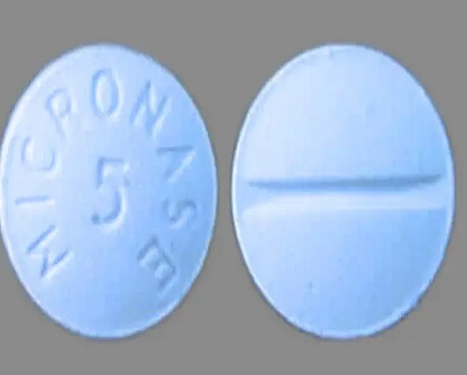
Micronase 1.25mg is related to glyburide, an oral drug from the sulfonylurea class used to help control blood glucose in people with type 2 diabetes. Glyburide stimulates the pancreas to release insulin. If your body still has functioning pancreatic beta cells this can help lower blood sugar.
What Is Micronase 1.25mg
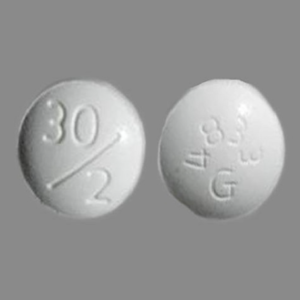
Micronase 1.25mg is the 1.25 mg strength of Glyburide. U.S. drug labelling currently lists glyburide tablets as 1.25 mg, 2.5 mg, and 5 mg.
Also, 1.25 mg is used as a lower starting dose for people who may be more sensitive to medicines that may cause low blood sugar. But the right dose will depend on the individual patient’s condition, blood glucose levels, diet and response to treatment.
What Do We Use It For?
Glyburide is used with other medications to treat type 2 diabetes. It helps the body to release more insulin and so may help to improve blood glucose control.
But this medicine does not replace healthy eating, physical activity, regular glucose control or medical follow-up. Your healthcare professional can help you decide if a glyburide is a good fit for your diabetes treatment plan.
How Does Glyburide Work
Glyburide is a member of the sulfonylureas. It causes the pancreatic beta cells to secrete insulin. This means there’s more insulin to help move glucose from the blood into tissues.
The medicine may lower blood glucose, so patients should continue with their prescribed therapy and monitor their glucose as advised.
Micronase 1.25 mg Dosage Information
Each person’s correct dose is different. Current labelling indicates that the usual starting dose of glyburide is 2.5–5 mg once daily with breakfast or the first major meal. In more sensitive patients to hypoglycemic medicines, the starting dose may be 1.25 mg daily.
Patients should therefore not adjust their dose without the advice of a doctor. Blood glucose monitoring (and HbA1c, where appropriate) can help healthcare professionals assess the response to treatment.
Potential Side Effects and Safety
Hypoglycemia, or low blood sugar, is the most important safety concern with glyburide. Symptoms may include sweating, shaking, hunger, dizziness, confusion, weakness or a fast heartbeat.
In addition, older people and those who are malnourished or have kidney or liver problems may need to take extra care with dosing because they may be at an increased risk of low blood sugar.
If severe symptoms develop, seek emergency medical care.
Frequently asked questions.
Is Micronase 1.25mg for type 2 diabetes?
Yeah.” Glyburide is an oral blood-glucose-lowering drug used in the management of type 2 diabetes.
Is 1.25 mg a small dose?
Yeah.” The lower 1.25 mg strength may be chosen as an initial dose in patients who are more sensitive to hypoglycaemic medicines.
If my blood sugar is still high can I increase the dose?
Do not increase the dose by yourself. Have a health care professional review your glucose readings and change therapy as needed.
Conclusion
Micronase 1.25mg is related to glyburide, a sulfonylurea drug that increases insulin release and thereby lowers blood glucose. It can cause low blood sugar and patients should only use it as per the professional medical advice. In addition, routine glucose testing, a healthy diet, exercise and suitable medical care continue to be important elements of type 2 diabetes care.
Reviews
There are no reviews yet.