
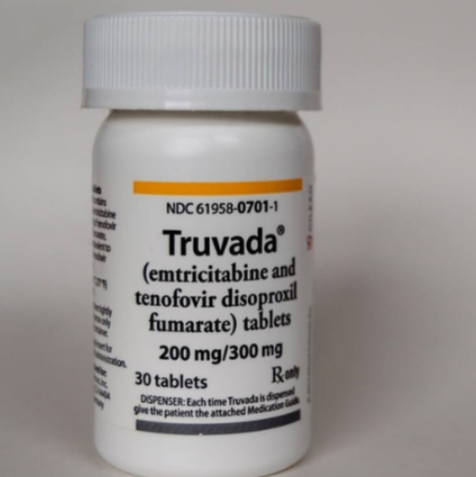
Description
Pre-Exposure Prophylaxis (PrEP)
Pre-Exposure Prophylaxis, or PrEP, is a preventive medicine approach that can decrease the risk of getting HIV for people who do not have HIV but may be at higher risk of exposure. PrEP uses antiretroviral medicines that are chosen specifically to prevent HIV from establishing an infection in the body. That means health professionals could recommend PrEP as part of a broader HIV prevention plan.
What is PrEP (Pre-Exposure Prophylaxis)?
Pre-Exposure Prophylaxis (PrEP) is HIV prevention medication taken before coming into possible contact with HIV. When someone takes PrEP as prescribed, the medicine can help protect cells from HIV. However, PrEP will not treat an existing HIV infection.
PrEP works best when people take the right medicine the right way, so a health care professional should help you decide if PrEP is right for you. Usually people have to be tested for HIV and have other health checks before they start PrEP. Regular follow-up also allows health professionals to monitor health and to confirm that the prevention strategy is still appropriate.
How Does PrEP Work?”
PrEP contains drugs that disrupt HIV replication. This means that when the medicine is in the body at effective levels, HIV is much less likely to become established as an infection.
But PrEP needs to be taken consistently, as directed. Protection decreases if you miss doses As such, PrEP users should make sure to follow their healthcare professional’s instructions.
PrEP does not protect against all sexually transmitted infections (STIs). This is why people can use PrEP with other prevention methods, like condoms and regular STI testing.
Who Should Consider PrEP?
A healthcare professional could talk about PrEP with people without HIV who might be at higher risk of getting HIV. Risk may differ depending on sexual activity, partners, injection-drug use, and other factors.
Know that PrEP is not for everyone and requires a medical assessment. A health professional can look at your medical history, what medicines you’re currently taking, your kidney health and whether you have HIV and recommend the best option for you.
What do you need to know before starting PrEP?
You usually have to have an HIV test before you start PrEP. This step is important because PrEP is meant for prevention of HIV not treatment of established HIV infection.
Healthcare professionals may also check kidney function and other health factors, depending on the PrEP option. Regular testing can also help detect HIV infection or other health issues early.
Tell your health care provider about all the medicines and supplements you take. This information may help to reduce the risk of drug interactions and support safer treatment decisions.
Does PrEP Work?
When taken properly and consistently, PrEP can provide a high degree of protection against HIV. But the effectiveness of PrEP depends on the type of PrEP, how well it is taken, and how closely the person follows the schedule.
People should talk to a qualified healthcare professional before changing the dose, stopping treatment or restarting PrEP.
Other HIV Prevention Methods and PrEP
PrEP is used as part of an overall HIV prevention plan. For example, condoms can lower the risk of getting HIV and a few other STIs. Regular testing for HIV and STIs can also give useful information about sexual health.
People who inject drugs can also talk to healthcare professionals about safer injection practices and other prevention services. The right mix of prevention strategies can offer better protection.
Potential Side Effects
Some people may have side effects while taking PrEP. These can include nausea, headache, upset stomach or other symptoms, depending on the drug. Many side effects may improve over time, but if you have persistent or concerning symptoms, speak to a healthcare professional.
Different PrEP medicines have different safety considerations, so users should read the product information and follow professional medical advice.
Conclusion
Pre-Exposure Prophylaxis (PrEP) is an important option for HIV prevention for people who may be at increased risk. When used correctly it can greatly reduce the risk of HIV infection. However, PrEP works best when used as part of a comprehensive prevention and health care strategy.
Regular HIV testing, appropriate medical monitoring, safer sex practices and professional guidance can help support effective HIV prevention. Talk to a healthcare provider to see if PrEP is right for you.
Reviews
There are no reviews yet.