
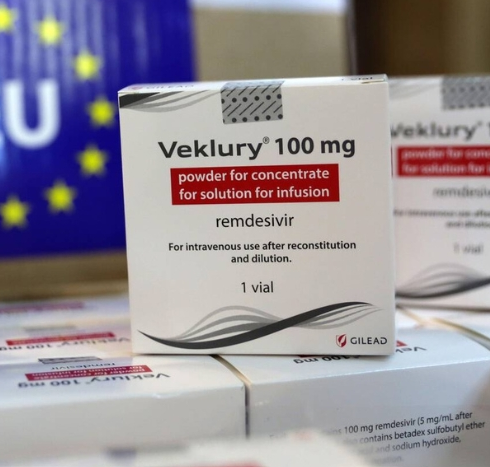
Description
Remdesivir (Veklury) Uses, Benefits, and Important Information
Remdesivir (Veklury) is an antiviral medicine used in some instances to help treat COVID-19. It prevents some viruses from copying themselves. As a prescription medicine, healthcare professionals determine when it is appropriate based on the patient’s condition, risk factors, and treatment guidelines.
What Is Remdesivir (Veklury)?
What is the active ingredient in remdesivir (Veklury)? remdesivir. The medication is administered by IV infusion (into a vein). An IV medicine is different from medicines that people take in tablet or capsule form because healthcare providers are able to control the way the treatment enters the bloodstream.
During the COVID-19 pandemic, remdesivir has become an important antiviral treatment. Today, medical professionals may still consider it for eligible patients based on current medical guidance.
How Does Remdesivir Work?
Remdesivir is a type of antiviral drug. When it is given, this converts remdesivir into an active form. This active form blocks a viral enzyme called RNA-dependent RNA polymerase.
That means the virus might have a harder time making copies of its genetic material. So, remdesivir can help reduce viral replication.” But it’s not for every virus, and doctors should only prescribe it for the illnesses and patients that it is medically appropriate for.
What Is Remdesivir Used For?
Remdesivir is a drug that healthcare providers mainly use for some patients with COVID-19. Treatment decisions may be driven by the severity of illness, duration of symptoms, and the person’s risk for developing more serious disease.
Also, doctors might review lab results and other medications before starting treatment. Recommendations for COVID-19 may change as more evidence becomes available, and patients should follow the most up-to-date recommendations from their healthcare professional.
How do you give remdesivir?
Healthcare providers give the drug to patients through an IV infusion. A trained medical professional administers the medicine in a proper health care setting.
The patient and reason for treatment will determine the specific treatment schedule. Therefore, patients should not change the dose, duration of treatment or the infusion schedule without medical advice.
Remdesivir Potential Benefits
Remdesivir may help limit viral replication and may reduce the risk of some complications or progression of COVID-19 in the right patient. How much benefit you might get depends on things like how early you get treated and your overall health.
But remdesivir is not a universal treatment for everyone with COVID-19. A healthcare professional must weigh the potential benefits against its risks.
Potential Side Effects
Like any medicine, remdesivir (Veklury) can cause side effects. Some people may feel sick and have a headache or other symptoms during or after treatment.
More serious reactions are also possible. For example, some patients may experience infusion-related reactions or changes in liver-related laboratory tests. When necessary, healthcare professionals monitor patients.
Patients should immediately report to a healthcare professional if they develop symptoms such as difficulty breathing, swelling, severe rash, dizziness or other signs of a serious reaction.
Liver and Kidney Issues
Healthcare providers may also look at a patient’s medical history and lab tests before administering remdesivir. Liver function is particularly important because remdesivir therapy may be associated with changes in liver enzymes.
Kidney health may also be part of treatment decisions. Patients should tell their doctor about any liver or kidney problems and all medicines they are taking.
Interactions With Other Drugs
Talk to your healthcare professional before taking Remdesivir (Veklury) about all the medicines, non-prescription products, vitamins and supplements you take.
Some medicines may affect how remdesivir works or increase the risk of side-effects. This is why patients must not stop or start another medicine during treatment without professional advice.
Who needs remdesivir?
Remdesivir should be prescribed by a healthcare professional. The decision may depend on the age of the patient, diagnosis, time of symptoms, severity of disease, medical history and treatment at the current time.
Also, treatment recommendations might differ according to revised clinical guidelines. The drug should therefore be used only under proper medical supervision.
Important Safety Information
Remdesivir must be administered by a healthcare professional. Patients should not administer the IV medicine themselves.
Before treatment, talk to the healthcare professional treating you about allergies, past reactions to medications, liver or kidney disease, pregnancy, breast-feeding, and current medicines.
Patients should also take the medicine exactly as prescribed by their healthcare professional unless told otherwise.
Frequently asked questions.
Is Remdesivir an antibiotic?
“No. Remdesivir is an antiviral drug, not an antibiotic. Antibiotics kill bacteria . Remdesivir works against some viruses .
Can Remdesivir be taken as a tablet?
Remdesivir is administered intravenously in a health care setting. Patients should not change to another form, unless specifically advised by a healthcare professional to do so with a suitable treatment.
Is Remdesivir for everyone with COVID-19?
“No. The treatment is chosen by doctors depending on the patient and the most recent clinical recommendations. A health care provider can determine whether remdesivir is appropriate.
Does remdesivir treat COVID-19?
Remdesivir is an antiviral treatment that may be of benefit to appropriate patients, but it’s not a panacea. The outcome depends on the individual patient and the timing and suitability of treatment.
Is medical monitoring needed?
Yeah.” Healthcare professionals may monitor patients during treatment and may perform laboratory testing as appropriate, particularly to assess liver function and other safety considerations.
Conclusion.
Remdesivir (Veklury) is an important antiviral drug used in selected cases of COVID-19. It works by interfering with the virus’s ability to replicate and is administered to patients by healthcare workers through an IV infusion.
Most importantly, remdesivir should only be given to patients on the advice of a qualified health care professional. Tell your doctor about your medical conditions, allergies, current medicines and other relevant health information before treatment. AFurthermore,follow the treatment schedule. Report any unusual or serious symptoms immediately.



Reviews
There are no reviews yet.