
Description
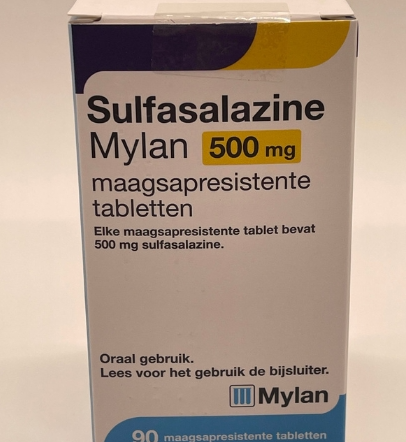
Sulfasalazine 500mg Uses, Benefits, Dosage & Safety Information
Sulfasalazine 500mg is a medicine prescribed by doctors to control inflammation in conditions that affect the bowel and joints. also acts as a disease-modifying antirheumatic drug (DMARD) when used for rheumatoid arthritis. It can also be prescribed by doctors for rheumatoid arthritis, Crohn’s disease and ulcerative colitis because it can help reduce inflammation.
What is Sulfasalazine 500mg used for?
Sulfasalazine 500mg Tablets Each tablet contains 500 mg of sulfasalazine. Different formulations work in different parts of the body. Hence, patients should use the formulation that their doctor prescribes.
Sulfasalazine may be used to decrease inflammation in the digestive tract in inflammatory bowel disease. In rheumatoid arthritis, it may slow the progression of the disease and help reduce inflammation in the joints.
What Does Sulfasalazine 500mg Do?
Sulfasalazine 500mg is a medication that is often prescribed for inflammatory bowel conditions and rheumatoid arthritis. It may be helpful in controlling active symptoms of ulcerative colitis and in the maintenance of remission. It can also be used for active Crohn’s disease. However, treatment is different for each person. Your doctor will decide your dose based on your condition, symptom severity, other medicines you take, and how you respond to treatment.
How Does Sulfasalazine Work?
Sulfasalazine reduces inflammation . In inflammatory bowel disease it helps to decrease inflammatory activity in the gut. In rheumatoid arthritis, it is used as a DMARD and may help in controlling the inflammatory process affecting the joints.
Significantly, sulfasalazine typically does not work immediately. Those taking it for rheumatoid arthritis may have to wait 1 to 3 months before they see any improvement. Thus, patients need to take it regularly and follow the prescribed treatment plan.
sulfasalazine 500mg dose
The correct dose will depend on the condition and the type of tablet prescribed. NHS guidance says that treatment for rheumatoid arthritis usually starts at 500mg once a day, and may be increased by 500mg each week. The final dose may be as much as 2g or 3g a day in divided doses, depending on response and medical advice.
Dose can vary a great deal in inflammatory bowel disease. So, patients are never allowed to copy someone else’s dosage or increase the amount without medical advice.
Take Sulfasalazine 500mg as your doctor or chemist has told you. Some gastro-resistant tablets should not be crushed or broken and should be swallowed whole.
Side effects Common
As with other medicines, sulfasalazine can cause side effects. Problems like indigestion and nausea are common. Some people also notice changes in urine colour, such as orange coloured urine. Some patients may also experience dizziness.
Fortunately many of the side effects can be managed. However, if symptoms are severe, persistent or unusual, seek advice from your healthcare professional.
Blood tests and follow-up
Regular monitoring is an important part of treatment with Sulfasalazine 500mg. Doctors commonly arrange blood tests and may check liver and kidney function before treatment and at regular intervals afterward. These tests help detect possible problems early.
Consequently, do not skip scheduled monitoring appointments. Your healthcare team may adjust treatment based on your test results and symptoms.
Who needs to be extra careful?
Tell your doctor about any allergies, medical conditions, and other medicines you take before starting sulfasalazine. This is particularly important because sulfasalazine can affect blood cells and may reduce the body’s ability to fight infection.
You should also tell your doctor or dentist that you take sulfasalazine before surgery or dental treatment.
Sulfasalazine 500mg and Other Medicines
Medicine interactions can matter, especially when you take several products at the same time. For example, NHS guidance advises discussing painkillers and other medicines with a healthcare professional. Paracetamol can generally be taken with sulfasalazine, while NSAIDs such as ibuprofen or aspirin may require particular caution because of kidney-related risks.
Therefore, provide your doctor or pharmacist with a complete list of prescription medicines, over-the-counter products, vitamins, and herbal supplements.
Frequently asked questions.
Is Sulfasalazine 500mg a pain killer?
“No. Sulfasalazine mainly reduces inflammation and modifies disease activity. It is not classified as a standard painkiller.
How long does Sulfasalazine 500mg take to work?
The response depends on the condition. For rheumatoid arthritis, improvement may take 1 to 3 months.
Can I stop taking Sulfasalazine 500mg when I feel better?
Do not stop treatment without talking to your doctor. In inflammatory bowel disease, ongoing treatment may help maintain remission.
Do I need regular blood tests?
Yeah.” Doctors commonly use regular blood, liver, and kidney tests to monitor treatment safety.
Conclusion
Sulfasalazine 500mg is an established prescription treatment for inflammatory bowel disease and rheumatoid arthritis. It reduces inflammation and can form an important part of long-term disease management. However, the correct dose and formulation depend on the condition being treated. For that reason, always follow your prescriber’s instructions and attend recommended monitoring appointments.
Reviews
There are no reviews yet.