
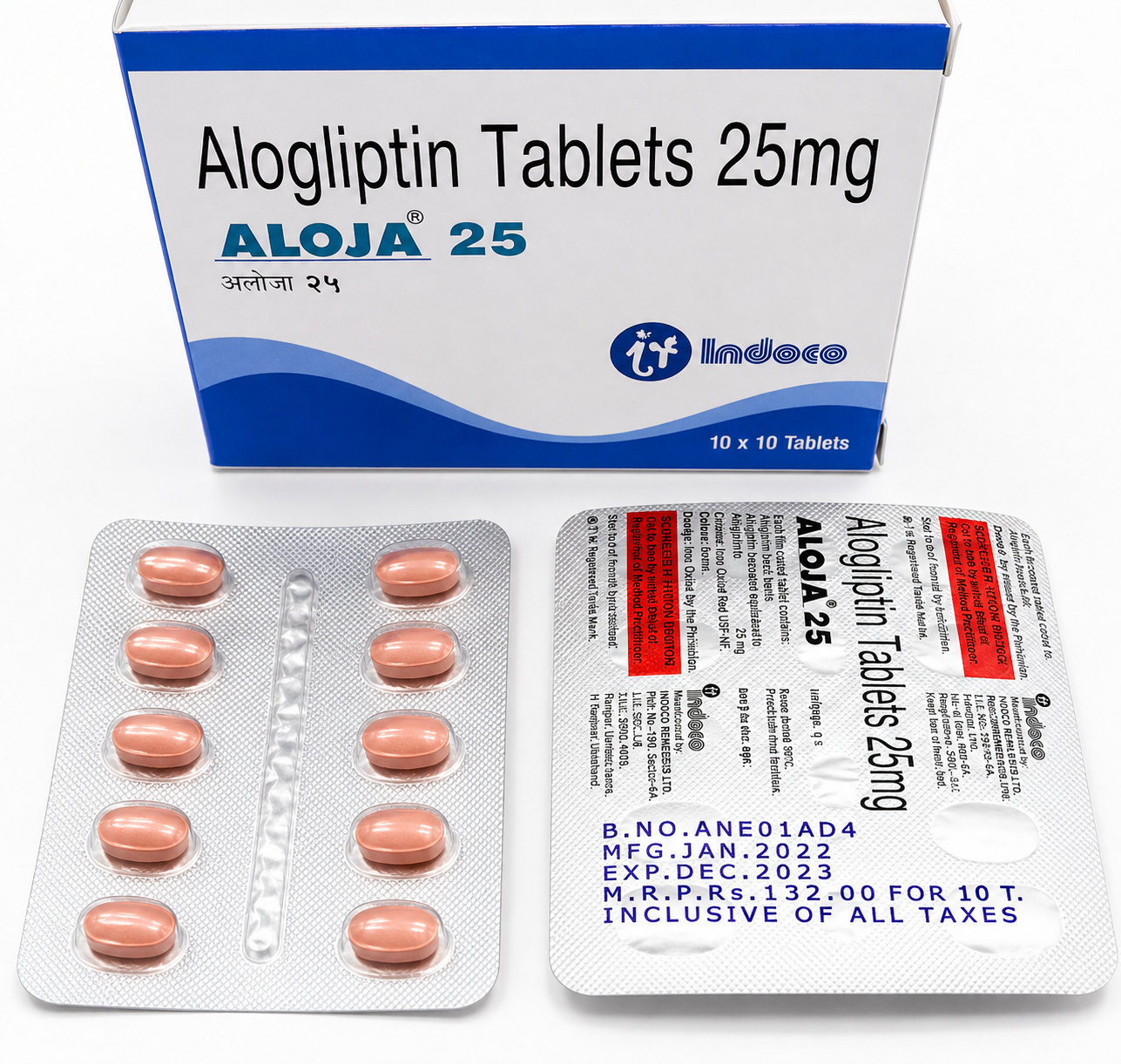
Description
Article
Alogliptin: Uses, Benefits, Dosage, Side Effects & Safety Guide
Alogliptin is a prescription medication that helps adults manage type 2 diabetes mellitus. It belongs to a class of medicines known as DPP-4 inhibitors (dipeptidyl peptidase-4 inhibitors). Doctors often prescribe Alogliptin along with a healthy diet and regular exercise to improve blood sugar control. Although this medicine is effective for many patients, it should always be used under medical supervision.
What Is Alogliptin?
Alogliptin works by increasing the levels of natural hormones called incretins. As a result, the body releases more insulin after meals and reduces the amount of sugar produced by the liver. Consequently, blood glucose levels remain more stable throughout the day. However, Alogliptin is not intended for people with type 1 diabetes or diabetic ketoacidosis.
Uses of Alogliptin
Healthcare providers prescribe Alogliptin to:
- Help control blood sugar in adults with type 2 diabetes.
- Improve long-term glucose management.
- Reduce the risk of diabetes-related complications when combined with lifestyle changes.
- Support treatment plans that include diet, exercise, or other diabetes medications.
Furthermore, doctors may combine Alogliptin with medicines such as metformin, pioglitazone, or insulin if additional blood sugar control is needed.
Dosage Information
The dosage of Alogliptin depends on the patient’s health condition and kidney function. The medicine is usually taken once daily, with or without food. Patients should take it at the same time every day to maintain consistent blood sugar levels. Moreover, they should never change the dose without consulting their healthcare provider.
Benefits of Alogliptin
Alogliptin offers several important benefits. First, it helps lower blood sugar effectively. Additionally, it has a low risk of causing hypoglycemia when used alone. Many patients also find it easy to take because it requires only one daily dose. When combined with healthy eating and physical activity, Alogliptin can improve overall diabetes management and quality of life.
Possible Side Effects
Like all medications, Alogliptin may cause side effects. Common side effects include:
- Headache
- Common cold symptoms
- Sore throat
- Upper respiratory tract infection
- Mild stomach discomfort
Although rare, serious side effects may include severe allergic reactions, pancreatitis, liver problems, or worsening heart failure in some patients. Therefore, anyone experiencing severe abdominal pain, swelling, difficulty breathing, or yellowing of the skin should seek immediate medical attention.
Precautions
Before taking Alogliptin, inform your doctor if you have kidney disease, liver disease, pancreatitis, or heart failure. In addition, pregnant or breastfeeding women should consult their healthcare provider before using this medicine. Patients should also continue monitoring their blood sugar regularly and attend routine medical checkups.
Storage Instructions
Store Alogliptin tablets at room temperature, away from excessive heat, moisture, and direct sunlight. Keep the medication out of the reach of children and pets.
Final Thoughts
Alogliptin is an effective treatment option for adults with type 2 diabetes when used alongside a healthy lifestyle. It helps improve blood sugar control, supports long-term diabetes management, and is generally well tolerated. Nevertheless, patients should always follow their doctor’s instructions and report any unusual symptoms promptly. With proper use, Alogliptin can play an important role in maintaining better overall health and reducing the risk of diabetes-related complications.

Reviews
There are no reviews yet.