
Description
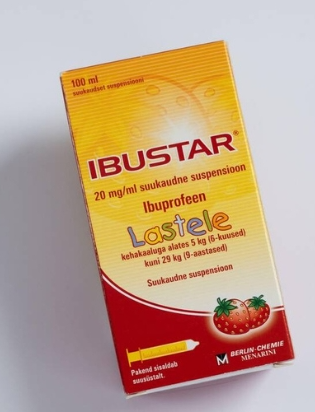
What Is Ibuprofen 100/5mg?
Ibuprofen for children 100/5mg means there is 100 mg of ibuprofen in every 5 mL of the liquid. Before giving a dose parents should always check the bottle and leaflet, as different products can have different strengths.
Further, the right amount depends on the child’s age and, in some cases, weight. Therefore, parents should not guess the dose.
What is Children’s Ibuprofen Used For?
Children’s ibuprofen can help to bring down a high temperature when a child feels poorly. It can also relieve mild-to-moderate pain and inflammation.
For example, guidance from healthcare providers includes uses such as:
- Fever and malaise
- Tooth pain
- Headache.
- Sore throats
- Earache
- Teething pain
- Injuries ‘minor
- Pain and swelling
Many parents therefore keep an age-appropriate children’s formulation at home.
How to Provide Ibuprofen to Parents
1. Read the label on the medicine carefully. Then shake well the liquid before measuring it. Use an oral syringe or the measuring device that comes with the product. Do not use a household teaspoon. This leads to more correct amount.
It is important not to give an adult ibuprofen product to a child. Always use an age-appropriate formulation and follow the package directions or the advice of a healthcare professional.
It is usually best to take ibuprofen with food or milk, as this can help to reduce stomach irritation.
Ibuprofen: Is it right for every kid?
No. Most children can take ibuprofen, but some shouldn’t or should talk to their doctor first.
For example, if your child has asthma, kidney or liver problems, stomach problems, a history of allergic reactions to ibuprofen, bleeding problems or signs of dehydration, speak to a doctor or pharmacist before giving ibuprofen. Healthcare guidance also says not to give ibuprofen for chickenpox unless a doctor recommends it.
Age and weight requirements are particularly important to young babies. Children’s ibuprofen is usually appropriate to be given from 3 months if the child weighs 5 kg or more, although younger babies may require medical advice or a prescription, according to NHS guidance.
Potential Side Effects
Most children do not have serious side effects. But ibuprofen can sometimes cause stomach upset or other reactions.
Sometimes serious problems can occur. Seek medical treatment if your child develops severe stomach pain, vomits blood, has very dark stools, stops urinating, develops blood in his urine, or has a serious allergic reaction.
Use the lowest effective dose for the shortest period of time and follow professional advice.
FAQs
What is 100/5 mg?
This means that the liquid contains 100 mg of ibuprofen in 5 mL of suspension.
Can kids take ibuprofen for fever?
Yes. When used properly, children’s ibuprofen can lower a fever and ease discomfort.
How do I know the right dose?
Check the product label, and take into account the child’s age and weight. If unsure, ask a chemist or doctor instead of guessing.
How long can a child be on ibuprofen?
Do not overexpose for the length of time indicated on the label. NHS guidance says ask a doctor’s advice if a child aged 6 months or older needs ibuprofen for more than 3 days, or sooner if a younger baby is not getting better.
Overall
Ibuprofen for children 100/5mg can be used correctly by parents to help relieve fever, pain and inflammation. But you have to be careful with the dosage of kids medicines. Always check the concentration, follow the label, use an accurate measuring device, and seek professional advice when you are unsure. Therefore, careful administration can make the treatment safer and more effective especially in children.
Reviews
There are no reviews yet.