
Description
Lidocaine – oral, throat
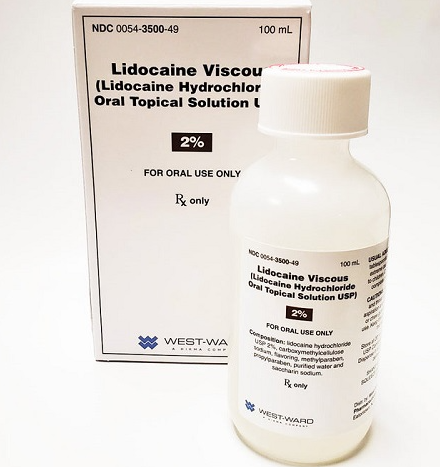
Lidocaine for mouth and throat is a local anaesthetic. It works by numbing the area to temporarily relieve pain. Certain mouth sores , inflammation , or pain in the throat may be treated with lidocaine preparations recommended by doctors . It works by stopping the nerve signals carrying pain to the brain.
Lidocaine for Mouth and Throat: What Is It?
Lidocaine may be available in a number of forms including viscous solutions for oral use and other topical preparations. A thickened mouth rinse with lidocaine can ease pain from inflammation or sores in the mouth or throat. Healthcare professionals also use local anaesthetics to make some dental and medical procedures more comfortable.
But you have to use the right product for the area intended. Do not automatically use a skin-only lidocaine product in the mouth or throat area.
What does lidocaine do ?
Lidocaine temporarily reduces sensation in the area being treated. This may make painful mouth or throat symptoms easier to deal with. But it doesn’t necessarily address the reason for the pain.
While a healthcare professional might recommend proper treatment for mouth sores, only use lidocaine for temporary pain relief. Hence, persistent or severe symptoms still warrant medical evaluation.
What is Oral Lidocaine used for?
Use this medicine as directed by your doctor or as indicated on the label. Prescribed lidocaine viscous may be used for mouth or throat discomfort, and instructions may be different for each. MedlinePlus suggests using the lowest dose you require for pain relief, and using it as frequently as directed.
Lidocaine may cause numbness of the mouth and throat and may affect swallowing. So, do not eat for at least 1 hour after using the prescribed lidocaine viscous unless your healthcare professional tells you to do otherwise.
Important Safety Information
Lidocaine is not right for everyone. Before using this medicine, tell your doctor about any allergies, other medicines, pregnancy, or if you are breastfeeding.
Children also need special attention. MedlinePlus warns that lidocaine viscous can have serious effects in infants and children younger than 3 years if not used exactly as directed. Not to be used for teething pain
Toxicity can be serious if you use too much lidocaine. If you experience any of these symptoms, seek urgent medical help: severe dizziness, confusion, tremors, difficulty breathing, swelling, or seizures.
Lidocaine for a Sore Throat
Some sore-throat products contain local anaesthetics that may provide temporary relief of symptoms. But there are many reasons for a sore throat. NHS guidance says medicated lozenges containing a local anaesthetic may help some people, but there is little evidence for the use of anaesthetic sprays on their own.
So if symptoms are severe, persistent, or accompanied by difficulty breathing or swallowing, don’t just rely on lidocaine.
Conclusion
When used in the right formulation and following the directions of a healthcare professional, lidocaine for use in the mouth and throat can temporarily numb and relieve pain. However, it is important to dose and use them at the appropriate age, because excessive exposure can cause serious side effects. If you are unsure about the use of lidocaine, consult the product instructions and consult a pharmacist or healthcare professional.
Reviews
There are no reviews yet.