
Description
Aspirin.
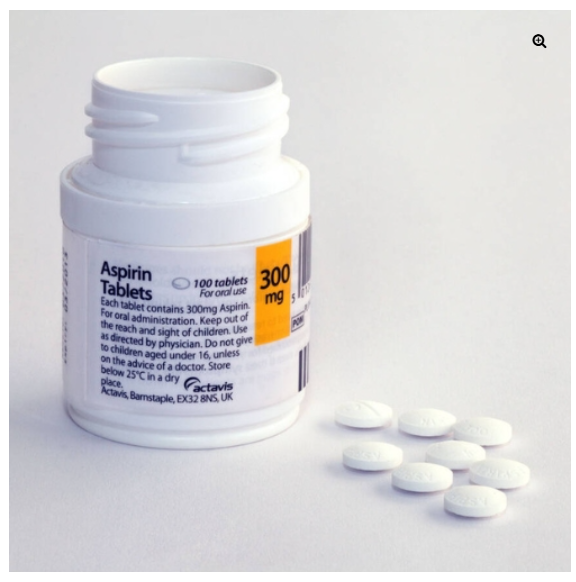
Aspirin is a common medicine that can help ease pain, reduce fever, and lessen inflammation. Doctors also may prescribe low-dose for some people who need protection against blood clots, heart attacks or ischaemic strokes. Aspirin is a medicine that is part of a group of medicines called salicylates. It also has antiplatelet effects, which means it can make blood platelets less likely to stick together.
What Is Aspirin?
is a powerful drug that is used for many health reasons. People often use it for mild to moderate pain, fever and inflammation at higher doses. But lower doses are taken for a different reason and may help prevent blood clots in people with certain heart conditions.
can interfere with blood clotting, so people should take it with care. Your doctor will know the right dose for you. This will depend on why you are being treated, your age, other medicines and your health.
Uses of Aspirin?
Many people search online for “What is aspirin for?” has several established uses. It can help relieve headache, muscle aches, toothache, and other mild to moderate pain, for example. It can also help lower fever and swelling.
Your doctor may also suggest a low-dose aspirin to cut the risk of blood clots and certain cardiovascular events in selected patients. But daily aspirin is not right for everyone, and people should not start long-term aspirin therapy without talking to a healthcare professional.
What does aspirin do?
Aspirin works by blocking chemicals in the body that cause pain, fever, swelling and blood clotting. So it can reduce discomfort and also influence platelet activity. This is why aspirin can work differently depending on the dose and purpose of treatment.
How to Use Aspirin?
How to take aspirin the right way will depend on the formulation and the reason for use. Some aspirin products are taken at intervals during the day to relieve pain. When prescribed for cardiovascular protection, low dose aspirin is frequently used once daily. Always take your medicine as directed on the label or as told to you by your health care professional.
Take aspirin with water and follow directions for special formulations. For example, extended-release tablets should be swallowed whole and not crushed or chewed.
Common Side Effects
Like all medicines, aspirin can cause side effects. Side effects may include indigestion, stomach discomfort, and increased bleeding or bruising.
But the problems can be more serious. Aspirin can increase the risk of developing stomach ulcers or internal bleeding. Seek immediate medical help if you experience vomiting blood, black or tarry stools, severe stomach pain, difficulty breathing or symptoms of a severe allergic reaction.
Who Should Not Take Aspirin?
Aspirin is not for all. If you’ve had stomach ulcers, bleeding disorders, certain kidney or liver problems, NSAID-induced asthma or a past allergic reaction to aspirin, you should seek professional advice before taking it.
Aspirin can also react with other medications such as anticoagulants, certain anti-inflammatory drugs, certain antidepressants, steroids and methotrexate. So tell your doctor or chemist about all prescription medicines, over-the-counter products, vitamins and supplements you take.
Children and Aspirin: Is it OK?
Parents need to take extra care. Do not usually give aspirin to children or teenagers with viral illnesses, because of the risk of Reye’s syndrome, a rare but serious illness.
in Pregnancy
Pregnancy deserves special attention. For certain reasons, your doctor may suggest taking a low dose of , such as to prevent pre-eclampsia during some pregnancies. But higher doses for pain relief are generally not recommended during pregnancy without professional guidance.
Questions and Answers on Aspirin
What is good for?
Aspirin can help to relieve mild to moderate pain, reduce fever and inflammation, and in selected patients, reduce the risk of blood clots and certain cardiovascular events.
Aspirin is a blood thinner, yes.
It reduces the ability of platelets to clump together, which may reduce the risk of dangerous blood clots forming.
Can I take aspirin daily?
Unless advised by a healthcare professional, do not take daily. Long-term use may increase the risk of bleeding and may not be beneficial for healthy people with low cardiovascular risk.
Does aspirin cause stomach bleeding?
Yeah.” can upset your stomach and increase the chance of ulcers and bleeding in the digestive tract, especially if you use it for a long time or have certain risk factors.
Conclusion
is important for pain relief and to prevent blood clots in some patients. But it’s not a medicine everyone should take regularly. So use the right product and dose, check for possible medicine interactions, and get professional advice when is being considered for long-term therapy.

Reviews
There are no reviews yet.