
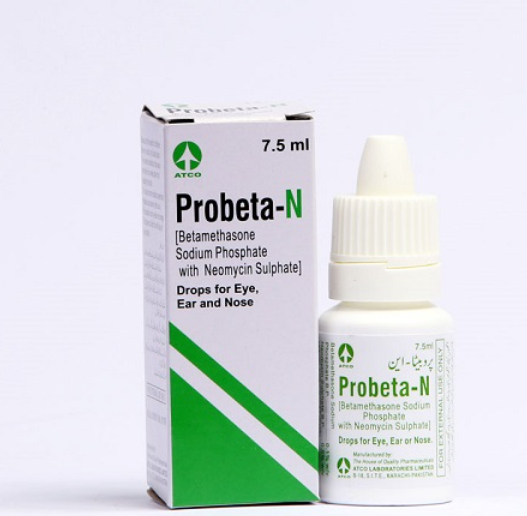
Description
Betamethasone for Eyes, Ears and Nose: Uses, Side Effects and Precautions
What Is Betamethasone Eye, Ear and Nose Drops Used For?
Betamethasone for eyes, ears and nose is a corticosteroid medicine which reduces inflammation, swelling, redness and irritation. It may be prescribed by doctors for certain allergic or inflammatory conditions of the eyes, ears or nose. It is available as drops and an ointment for some eye conditions.
Betamethasone is a steroid drug and should be used only as directed by a medical professional. Moreover, the appropriate formulation and duration of treatment will vary according to the condition being treated.
What Is Betamethasone?
Betamethasone helps to control inflammation caused by allergies and other conditions. For example, healthcare professionals may use it for eye irritation associated with allergies, inflammation inside the nose, and inflammation of the outer ear caused by conditions like eczema.
Certain betamethasone products also include an antibiotic known as neomycin. When there is inflammation with a bacterial infection, doctors may prescribe these combination drops.
What is the use of betamethasone?
Betamethasone inhibits the inflammatory response of the body. It is therefore effective in reducing symptoms like redness, swelling, itching and irritation. But it doesn’t address all causes of eye, ear or nose symptoms. So, before treatment, a healthcare professional has to find the cause.
Dosage and Administration:
The correct dose depends on the area being treated and the patient’s condition. NHS guidance says that eye, ear and nose drops all have different dosing schedules, so patients should follow the instructions given by their doctor or chemist, rather than choosing a dose themselves.
Eye drops: Wash your hands. Remove contact lenses before using. Then put in the drops prescribed for you. Do not touch the eye with the tip of the bottle. If you wear contact lenses, wait until the recommended time before putting them back in.
Side Effects Possible
Some people may have temporary irritation, burning, stinging, itching, or blurred vision after using betamethasone in the eyes. These effects can be improved quickly. But vision problems that are ongoing or worsening need medical attention.
Longer courses or higher doses of steroids may also increase the risk of complications. Hence, the doctors might advise eye checkups during long-term treatment to check eye pressure and possible infection.
Safety Precautions Important
Do not use Betamethasone in the ear if you have a ruptured eardrum. Also, tell your doctor if you have glaucoma, an eye infection, tuberculosis or any other relevant medical conditions before treatment.
Also, let your health care provider know about any other medicines you are taking. This lets them determine potential interactions and decide if betamethasone is right for you.
Summary
A healthcare provider may prescribe betamethasone for the eyes, ears and nose to help reduce inflammation and allergy symptoms. However, steroid drugs must be used carefully. Follow the directions on the prescription label and do not share your medication with others. Tell your doctor or chemist if any symptoms continue or are unusual. With the proper guidance, patients can use betamethasone safely and effectively.
Reviews
There are no reviews yet.