
Description
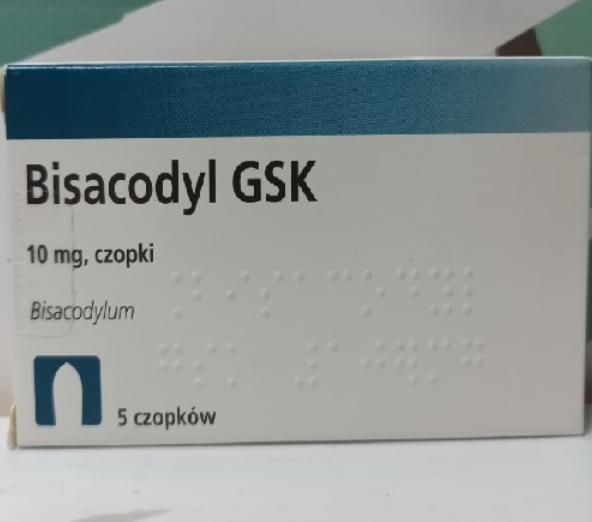
Bisacodyl: Applications, Dosage, Adverse Effects & Safety Information
Bisacodyl acts as a stimulant laxative, providing relief from short-term constipation. It increases activity in the intestines, encouraging a bowel movement. Healthcare professionals may use it to help empty the bowel before certain surgeries, examinations, or medical procedures.
Bisacodyl is a medication that stimulates bowel movements. It is commonly used to treat constipation and prepare the intestines for medical procedures. This laxative works by increasing the activity of the intestines, promoting the passage of stool.
Bisacodyl falls under a category of medications known as stimulant laxatives. It promotes effective bowel movement and provides relief when constipation makes bowel movements challenging. Bisacodyl is available in various forms, such as oral tablets and rectal suppositories.
Bisacodyl serves as a stimulant laxative, effectively treating constipation and preparing the bowel for medical procedures.
Doctors and chemists recommend Bisacodyl for short-term constipation. It also helps empty the bowel before selected medical procedures. However, simple lifestyle measures often improve constipation first. Increasing dietary fibre, drinking enough fluids, and staying physically active support regular bowel movements.
How does bisacodyl function?
Bisacodyl stimulates intestinal activity and encourages bowel movement. It helps produce a bowel movement. Oral tablets typically take about 6 to 12 hours to take effect, whereas rectal suppositories often act more quickly.
Dosage and administration guidelines
Always adhere to the instructions given by your doctor, chemist, or medicine leaflet. NHS guidance specifies that adults typically take a tablet dose of 5 mg to 10 mg once daily, while the dosing for suppositories varies based on age and product. However, the correct dose varies based on the specific formulation and individual circumstances.
Swallow the oral tablets whole with water. Do not crush or chew them. Additionally, do not take oral Bisacodyl simultaneously with milk, dairy products, or specific indigestion medicines; the NHS advises maintaining a one-hour interval.
Potential Reactions
Some individuals may encounter:
- Stomach cramps occur.
- Stomach discomfort occurs.
- Nausea
- Diarrhoea occurs when the body expels loose or watery stools frequently. It can lead to dehydration and requires attention.
- Weakness
Mild digestive effects usually settle after use. Rectal bleeding demands immediate medical attention.
Essential Safety Measures
Only use Bisacodyl for the recommended short period. Using laxatives for a long time or frequently can lead to diarrhoea and electrolyte imbalances, and it may make the bowel dependent on laxatives. Therefore, consult a healthcare professional if constipation persists despite treatment.
Do not take extra doses just because the medicine hasn’t worked yet. Follow the product instructions and seek professional advice if symptoms persist.
Properly store and use safely.
Store Bisacodyl in its original container at room temperature, keeping it away from excessive heat and moisture. Keep all medicines out of children’s reach.
In conclusion
Bisacodyl stimulates bowel activity to provide short-term relief from constipation. However, it should not substitute for healthy bowel habits or professional medical advice when constipation persists. Follow the medicine’s instructions, avoid using it for extended periods unnecessarily, and reach out to a healthcare professional if symptoms persist or if you notice any unusual symptoms.
Reviews
There are no reviews yet.