
Description
Bumex: Uses, Dosage, Side Effects & Safety Guide
Bumex is a prescription medication that contains the potent loop diuretic bumetanide. It’s mainly used by doctors to treat oedema, or fluid buildup, seen with conditions such as congestive heart failure and some liver or kidney diseases. Bumex causes the body to eliminate more water and salt in the urine, so patients should only take it as directed by their healthcare provider.
What is Bumex Medication?
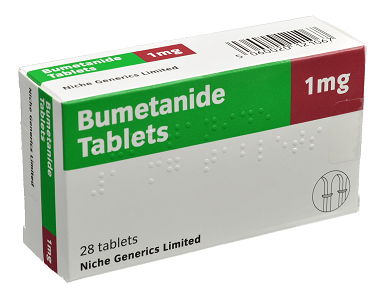
Bumex is a type of medicine known as a loop diuretic. This helps the kidneys to remove excess sodium and water from the body. Therefore it can reduce the swelling and fluid build up within tissues. Bumex tablets are available in 0.5 mg, 1 mg and 2 mg strengths.
What Bumex is used for?
Healthcare professionals prescribe Bumex to manage edema associated with congestive heart failure, hepatic disease, and renal disease, including nephrotic syndrome. In some situations, healthcare providers may also use bumetanide to help manage high blood pressure. However, the specific reason for treatment should always come from a qualified healthcare professional.
How Bumex Works
Bumex acts on the kidneys and increases the excretion of sodium and water in the urine. Hence, patients tend to experience increased urination after taking the drug. This may help to drain excess fluid and reduce swelling. However, too much diuresis can cause dehydration and loss of electrolytes, so medical monitoring is still important.
Dosage of Bumex
The proper Bumex dose depends on the patient’s medical condition and response to treatment. Oral tablets are commonly started in the low-dose range and titrated by healthcare professionals as needed, according to the official prescribing information. Do not alter your dose or frequency without medical advice.
If you forget to take your dose, do what your healthcare provider tells you. Don’t double the dose to catch up if you miss a dose.
Side Effects Possible
Bumex may cause side effects, including:
- Urinating more often
- Lightheadedness
- Nausea or stomach upset
- Diarrhoea
- Fragile
- Muscle cramps.
More importantly, too much fluid loss can lead to dehydration and electrolyte problems. See a healthcare provider if you have strange thirst, less urination, confusion, severe weakness, muscle cramps, fast or irregular heartbeats.
Important Warning
Bumex is a potent diuretic. Taking excessive amounts can cause significant water and electrolyte loss, dehydration, reduced blood volume, and potentially serious complications. For this reason, healthcare professionals may monitor kidney function and electrolyte levels during treatment.
Bumex may not be appropriate for certain patients, such as those with certain conditions such as anuria or severe depletion of electrolytes. Always give your doctor a complete medical history prior to treatment.
Drug Interactions and Cautions
Tell your healthcare professional about all the prescription medicines, over-the-counter products, vitamins, and supplements you use. Some medicines may affect kidney function or electrolyte levels when taken with diuretics.
Also, don’t change your intake of fluids or electrolytes without professional advice. Regular checkups can help your health care provider safely monitor treatment.
Summary
Bumex (bumetanide) is a potent loop diuretic that aids the body in getting rid of excess salt and water. It is useful in controlling oedema in many heart, liver and kidney diseases. Bumex must be carefully dosed and monitored because excessive fluid or electrolyte loss can cause serious problems. Always follow the advice of your healthcare professional and report any unusual symptoms immediately.




Reviews
There are no reviews yet.