
Description
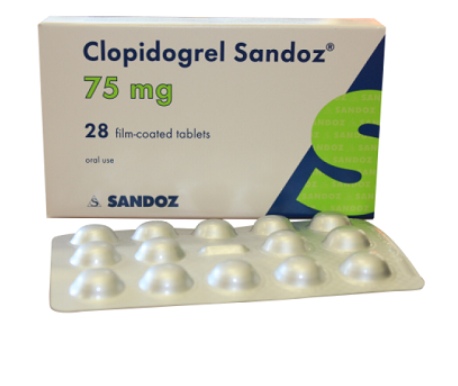
Buy Clopidogrel – Easy Guide to Uses, Benefits and Safety
Introductory
Clopidogrel is a medicine which helps prevent harmful blood clots forming. It is an antiplatelet medicine. This is a frequently used prescription for people who have had problems with their heart or blood vessels. Thus, knowledge of this medicine helps patients to use it safely and correctly.
What is Clopidogrel used for?
Clopidogrel is part of a group of medicines called antiplatelet drugs. It makes platelets less sticky. This, in turn, helps to reduce the risk of unwanted blood clots that cause heart attacks or strokes.
Clopidogrel may be prescribed after heart attacks, strokes, transient ischaemic attacks (TIAs), peripheral arterial disease, or certain coronary procedures (e.g. stent placement).
How Does Clopidogrel Work?
Platelets normally stick together when the body needs to form a clot to stop bleeding. But if platelets are too active, they form clots in the narrowed arteries. Clopidogrel stops the platelets sticking together and so helps to stop these unwanted clots.
Patients may also take clopidogrel for a long time if their doctor thinks they need continued protection. Do not stop taking the medicine on your own. Stopping the medicine may make serious cardiovascular problems more likely.
Clopidogrel is taken as a tablet.
Clopidogrel is usually taken once a day. The standard maintenance strength is 75 mg, but a different dose may be prescribed by doctors in certain situations. In most cases you may take the tablet with or without food. Be sure to follow the directions on your own prescription carefully.
If you miss a dose take it as soon as you remember. Follow the directions you have received from your doctor or chemist. Importantly, do not take a double dose unless specifically instructed to do so by a healthcare professional.
Typical Side Effects
Clopidogrel works by reducing the activity of platelets, which makes bleeding more likely. Side effects may include:
- Easily bruised
- Bloody noses
- Gums that bleed
- Headaches
- Stomach ache
- Diarrhoea or vomiting
But if you have unusual or severe bleeding, you need to see a doctor right away. Black stools, blood in the urine, blood in the vomit, or abnormal bleeding are signs of a serious problem.
Important Safety Information:
Before taking clopidogrel, talk to your doctor about your medical history and all medicines or supplements you use. Some medicines can affect the way clopidogrel works or increase the risk of bleeding.
• Tell your doctor or dentist that you are taking clopidogrel before you have surgery or dental work. You may need special instructions because the medicine can increase bleeding during operations. Do not stop prescribed clopidogrel without consulting a professional.
Frequently Asked Question
What is clopidogrel used for?
Clopidogrel is an antiplatelet drug that helps to prevent blood clots and reduce the risk of heart attacks and strokes in some patients.
Is clopidogrel a blood thinner?
It is often called a blood thinner, but it is really an antiplatelet drug. It does not thin the blood but rather prevents the platelets from sticking together.
Can I stop taking clopidogrel when I feel better?
Nope. “Just because you feel well doesn’t mean you should get off treatment. Talk with your doctor before making any change.
Can I take other medicines while I am taking clopidogrel?
Some medicines can affect the way clopidogrel works. So be sure to tell your doctor or chemist about all the medicines you take, including prescription and non-prescription medicines, vitamins and supplements.
Summary
Clopidogrel can also affect blood clotting and increase the risk of bleeding, so you should always seek appropriate medical advice before purchasing clopidogrel. Take it exactly as directed and attend regular medical reviews when prescribed for you. Most importantly, do not start, change or stop clopidogrel without consulting a qualified healthcare professional.

Reviews
There are no reviews yet.