
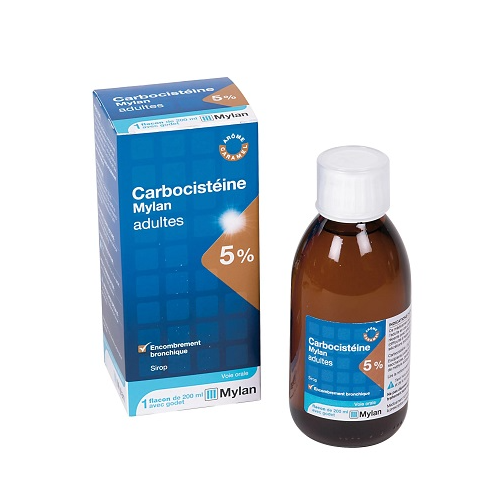
Description
What Is Carbocisteine?
Carbocisteine is a drug that is mucolytic. In simple words, it makes thick and sticky mucus easier to cough up. That may make it easier for people to clear mucus from their lungs.
This medicine is often prescribed by doctors for long-term breathing conditions that cause a lot of mucus, such as chronic obstructive pulmonary disease (COPD). In some cases of cystic fibrosis, it can be used too. Carbocisteine does not cure these conditions, however. Instead, it helps to control symptoms related to mucus.
How Does Carbocisteine Work?
The lungs naturally make mucus to trap dust and germs. However, in some respiratory disorders, this mucus becomes abnormally thick. Consequently, it becomes more difficult to remove.
Carbocisteine alters the structure of mucus so that it is less sticky. Coughing, therefore, can help to clear it better. This may make it feel easier to breathe but results are different for each person.
What does Carbocisteine do?
A doctor prescribes carbocisteine for thick mucus caused by:
- Chronic obstructive lung disease (COPD)
- Cystic fibrosis
- Other chronic lung diseases that cause excessive phlegm
Remember that this medicine is not an antibiotic. Therefore it does not kill bacteria directly or treat all chest infections.
Taking Carbocisteine
Carbocisteine is available in several different forms such as capsules, syrup and oral solution. Usually it can be taken with food or without food. But if it upsets your stomach, you might find taking it after food helps.
Follow these easy safety tips:
- Take only the amount prescribed for you by your doctor.
- Read the label and patient information leaflet.
- Take with water whole.
- Use the measuring spoon or oral syringe that comes with the liquids.
- Do not use a kitchen teaspoon as this can result in an incorrect amount.
- “Don’t give your medicine to others.
The appropriate dose is based on age, formulation, health condition and response to treatment. For this reason, do not choose the dose yourself, but ask your doctor or chemist for advice on the right dose for you.
What If You Take Too Much?
If you miss a dose, take it as soon as you remember, unless it is almost time for your next dose. If this happens, skip the dose and continue your regular dosing schedule. Most importantly, do not take a double dose to make up for a missed dose.
If you overdose and have vomiting or have an upset stomach, call your health care professional or local poison control centre.
Carbocisteine side effects common
Like all medicines Carbocisteine may cause side effects, although not everybody gets them. . Typical issues are:
- Diarrhoea
- Nausea.
- Vomitting
- Stomach pain or stomach ache
These effects are usually small. But contact a doctor or chemist if they last, become severe or worry you.
Serious side-effects
If you develop: stop taking the medicine and get medical help right away:
- Difficulty swallowing or difficulty breathing
- Swelling of the lips, face, tongue or throat.
- Severe blistering or peeling skin rash
- Vomit with blood in it
- Black, tarry stools
These symptoms could be a sign of a serious allergic reaction, a serious skin reaction, or bleeding in the digestive system. So don’t write them off.
Who should not use Carbocisteine?
Carbocisteine may not be suitable for all patients. Talk to your doctor before taking it if you:
- Are allergic to carbocisteine or any other ingredient in this medicine
- Have an active stomach or intestinal ulcer
- Had an ulcer in the past.
- Use drugs that cause stomach bleeding
- Are pregnant, planning pregnancy or breastfeeding
- Need medicine for a child under 2 years old
Different liquid products can have different ingredients and different age limits. So always check the product label for specific product.
Interactions of Carbocisteine
Tell your doctor or chemist about all the medicines you take including vitamins and herbal products. Medicines that may increase your risk of getting stomach ulcers or bleeding, such as:
- Ibuprofen, naproxen or diclofenac
- Aspirine
- Corticosteroids
- Clopidogrel and other antiplatelet medications
Do not discontinue a prescribed drug without consulting your doctor. Instead, ask a healthcare professional to check that it is safe to take your medicines together.
Helpful Advice When Taking Carbocisteine
First, take your medicine as prescribed. Next, drink plenty of fluids unless your healthcare provider has limited your fluid intake. Avoid smoking as the smoke irritates the lungs and can make respiratory symptoms worse.
And finally, monitor your symptoms. If carbocisteine does not help after the period your doctor suggests, arrange a review; do not change the dose yourself.
Carbocisteine is not an anti-biotic.
Nope. Carbocisteine is a mucolytic medicine. It makes mucus less sticky. It does not kill bacteria.
Carbocisteine for cough: what is it?
May help with a wet or chesty cough where thick mucus is hard to clear. It is not, however, suitable for every cough. Always ask a healthcare professional before using it.
How fast does carbocisteine work?
It is contingent upon the answer. Some people may find it easier to clear mucus once they start treatment. Other people may take longer. If symptoms persist consult your doctor.
Is it okay to take carbocisteine with paracetamol?
There is no common major interaction listed but your personal health and other medicines still matter. Confirm with chemist or doctor for the combination.
Can you take carbocisteine with ibuprofen?
Use with care. Ibuprofen may increase your risk of stomach irritation, ulcers or bleeding. Check with your doctor or chemist before mixing.
Does carbocisteine increase cough?
The medication thins out mucus so you may cough more as your body gets rid of the phlegm. But if your cough is very bad or your breathing gets worse, seek medical advice.
Is it safe to take carbocisteine during pregnancy?
Do not start it without consulting a doctor. The doctor will consider how far along the pregnancy is, the potential risks and the likely benefits.
Is Carbocisteine safe for kids?
Some formulations may be prescribed for children from the age of two years upwards. However, the limits of doses and product age differ. Give to a child only on the advice of a professional.
When I feel better, can I stop taking carbocisteine?
As directed by your health care provider. Do not stop or change treatment without asking, particularly if you are using it for a long-term lung condition.
Does carbocisteine make you drowsy?
Sleepiness is not usually listed as a common side effect. But if you do feel unusually tired or unwell, you should speak to a healthcare professional.
- Uses and Side Effects of Carbocisteine
- What is carbocisteine used for?
- How does carbocisteine work ?
- Carbocisteine dosage in adults
- Carbocisteine syrup uses
- When to take carbocisteine
- Is it okay to take carbocisteine with antibiotics?
- Can I take carbocisteine with paracetamol?
- ## Carbocisteine for a chesty cough?
- How long does carbocisteine take to work?
- Carbocisteine does not make you sleepy.
- Is Carbocisteine safe to take when pregnant?
- Carbocisteine for COPD mucous
- Carbocisteine contraindications & drug interactions
- What if I miss a dose of carbocisteine?
What?
- What is Carbocisteine used for?
- What is carbocisteine good for?
- What are the most common side effects?
What
- How do I use Carbocisteine?
- How does it loosen up mucus?
- How long can I use it for?
May
- Can I use carbocisteine for dry cough?
- Can I take it with meals?
- Is it kid friendly?
Why?
- What is the use of Carbocisteine?
- Why can it upset your stomach?
- Why should people with ulcers be careful?
Is
- Carbocisteine is not an anti-biotic.
- How safe is it for long term use?
- Is it safe to use while pregnant?
Overall
Carbocisteine works by thinning the mucus so you can cough it up. So doctors may prescribe it for COPD, cystic fibrosis, or a condition that causes lots of phlegm. Most people tolerate it well, but it can cause digestive problems and, rarely, serious reactions. Always take the prescribed dose and check for potential interactions. If you develop severe symptoms, contact a healthcare professional.
Reviews
There are no reviews yet.