
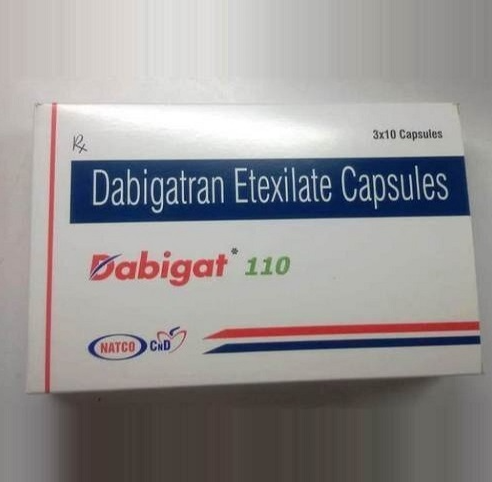
Description
What Is Dabigatran 110mg?
Dabigatran 110mg is an anticoagulant drug containing dabigatran etexilate. It works by blocking a substance called thrombin, which is important to the formation of blood clots. The drug can therefore reduce the risk of some dangerous clots.
In some markets, the 110mg strength is available as a capsule. However, approved strengths and recommended dosages may vary depending on the country, medical condition, kidney function, age and other factors. Therefore, patients are to use only the strength prescribed by their healthcare professional.
### What is Dabigatran Used For?
Doctors may prescribe dabigatran for a variety of clot-related conditions. For example, it may help to prevent stroke and systemic embolism in some adults with non-valvular atrial fibrillation. It may also be used to treat or prevent recurrent deep vein thrombosis (DVT) and pulmonary embolism (PE) in selected patients.
Certain doses of dabigatran can be given for prevention of venous thromboembolism after hip replacement surgery. Treatment depends on the individual circumstances of the patient.
How Does Dabigatran Function?
Dabigatran is a direct thrombin inhibitor. This action reduces the blood’s ability to clot. This may lead to a reduced risk of serious complications related to unwanted blood clots.
However, dabigatran does not simply “take away” an existing clot. Instead, it helps prevent new clots and prevents existing clots from growing larger and causing more trouble.
How to Take Dabigatran
Take dabigatran exactly as your doctor tells you to. Dabigatran capsules should be taken whole with water. Do not crush, chew, split, or open the capsule. This could change how your body absorbs the medicine.
And do not alter your dose except on the advice of a doctor. Your healthcare professional will decide the dose to give you based on your condition, kidney function, age and other medicines you may be taking.
Potential Side Effects
Dabigatran may cause side effects like all medicines. Some may have:
- Abdominal pain
- Heartburn
- Nausea
- Pain abdomen
- Easy bruising.
But most importantly, dabigatran can cause severe bleeding. Seek emergency medical help if you experience unusual or uncontrolled bleeding, red or brown urine, black or bloody stools, vomiting blood, coughing up blood, extreme weakness, or fainting.
Important Safety Information
Dabigatran interferes with blood clotting, so before you take it you must talk to a healthcare professional about your entire medical history. Especially tell your doctor if you have a history of bleeding, stomach or intestinal ulcers, prosthetic heart valve, or kidney disease.
Tell your doctor and dentist before surgery or dental procedures. Dabigatran and some other medicines (e.g. aspirin, NSAIDs and other blood thinners) may increase the risk of bleeding when taken together.
Important: Do not suddenly stop dabigatran without medical advice. Discontinuing anticoagulant therapy too soon can increase the risk of blood clots and stroke in some patients.
FAQs
What does Dabigatran 110mg treat?
Dabigatran is used to prevent or treat certain blood clots, like DVT and PE, and to reduce the risk of stroke in some adults with atrial fibrillation.
Dabigatran is a blood thinner?
Yes. Dabigatran is an anticoagulant that reduces the ability of the blood to form blood clots.
Dabigatran, can it make you bleed?
Yes. Dabigatran carries a notable risk of bleeding. If you have any unusual or heavy bleeding, seek immediate medical advice.
When I feel well, can I stop Dabigatran?
No. Don’t stop taking prescribed anticoagulant treatment without talking with your doctor. Stopping it may increase the risk of clotting.
Overall
Dabigatran 110mg is an anticoagulant which helps to stop the formation of dangerous blood clots. Depending on the patient’s circumstances, doctors may use dabigatran for atrial fibrillation, DVT, and PE. But patients should speak with a doctor because the drug can cause serious bleeding and needs to be dosed carefully.
Reviews
There are no reviews yet.