
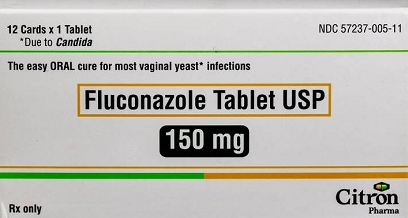
Description
What does fluconazole 150 mg do?
Fluconazole is in a class of medications called antifungals. It is available in various strengths, including 50mg, 150mg and 200mg capsules or tablets. The strength depends on the type and severity of the infection.
Patients should therefore only take Fluconazole 150mg when it is suitable for their condition and in accordance with advice from a doctor or chemist.
What Is Fluconazole 150mg Used For?
Fluconazole is a drug that doctors may prescribe for various fungal infections. These include vaginal thrush, oral thrush, balanitis and some more serious Candida infections. It may also be used for cryptococcal meningitis and in selected patients for prophylaxis of certain fungal infections.
For example, a 150mg dose is commonly used in adults for vaginal thrush or balanitis when recommended by a healthcare professional. But other fungal infections require different doses and lengths of therapy.
How Does Fluconazole Work
Fluconazole attacks the fungus and not bacteria. It interferes with the synthesis of chemicals that fungi need to maintain their cell walls. This damages the fungal cells and can help the infection to get better.
Therefore, fluconazole does not treat bacterial infections such as common bacterial sore throats or many bacterial skin infections.
How should I take fluconazole?
Dosage Depends on the infection for which it is used. Fluconazole capsules can usually be taken with or without food. Patients must take the capsule with water and according to the advice of their healthcare professional.
Most important, don’t take more doses just because the symptoms don’t go away right away. If you are not sure, ask your doctor or chemist.
Side Effects Common
Fluconazole 150mg, like all medicines, can cause side effects. Typical effects include the following:
- Headache.
- Abdominal pain
- Diarrhoea
- Nausea and/or emesis
- Skin rash.
These effects are usually mild. But if they’re serious or they last a long time, get medical advice.
Rarely, fluconazole can cause serious problems like liver problems, an abnormal heart rhythm, or a severe allergic reaction. If you have trouble breathing; swelling of the face or tongue; or severe skin reactions, get medical help right away.
Who should be more cautious?
Tell your doctor or chemist before you take fluconazole if you have liver or kidney problems, heart rhythm problems or certain electrolyte abnormalities. You should also tell your doctor if you have ever had an allergic reaction to fluconazole or any other medicines.
Tell your healthcare professional if you are pregnant, planning to become pregnant, or are breastfeeding. Your individual situation may influence the right treatment.
FAQs
Is fluconazole 150 mg an antibiotic?
No. Fluconazole 150mg is a medicine used to treat fungal infections. It is used for fungal or yeast infections not bacterial infections.
## How fast does fluconazole work?
For conditions such as vaginal thrush, symptoms should generally improve in about seven days. If your symptoms do not improve or get worse, get medical advice.
Can I take fluconazole by myself?
It is best to make sure that your symptoms are caused by a fungal infection before taking an antifungal medicine. A chemist or doctor can help determine if fluconazole is right for you.
Summary
Fluconazole 150 mg is a commonly prescribed antifungal drug that is used to treat a number of Candida and other fungal infections. But the right treatment depends on the infection, medical history and any other medicines a person takes. So, use fluconazole responsibly and follow the instructions of a professional doctor. If the symptoms do not improve, seek further medical advice and do not take further doses.
Reviews
There are no reviews yet.