
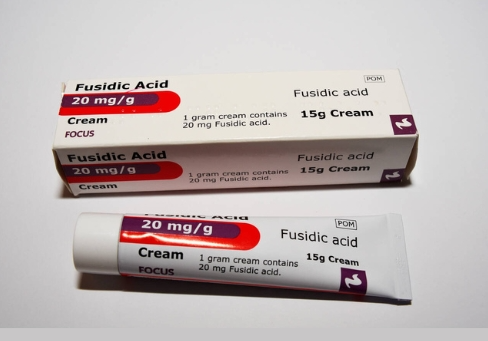
Description
What is fusidic acid?
Fusidic acid is an antibiotic. It prevents bacteria from growing and multiplying. If the bacterial infection is deemed suitable for this type of treatment, it can be prescribed by healthcare professionals. Topical forms in particular may treat some localised skin infections including impetigo.
Fusidic acid eye preparations may also be prescribed by doctors for certain bacterial eye infections. Thus, patients should be given the proper formulation for the infection to be treated.
What is it for, fusidic acid?
Fusidic acid is used by doctors to treat some bacterial infections of the skin and eyes. For example it may be prescribed for bacterial skin infections such as impetigo. It may also be used for bacterial conjunctivitis where a healthcare professional considers it appropriate.
They won’t work for viral infections such as colds and flu, however. So, patients shouldn’t be taking an antibiotic just because they have redness, irritation or a rash. A healthcare professional can help determine if bacteria are causing the problem.
How Fusidic acid works?
This medicine works against some bacteria by slowing bacterial growth. That means the bacteria aren’t able to grow and spread like they normally would. If taken in the right circumstances, the NHS says symptoms should normally start to get better within a few days of taking the medicine for the infection.
But an improvement does not necessarily mean that the infection has completely cleared. So, pay attention to your doctor or chemist’s treatment instructions.
What is it good for?
Fusidic acid is available as a cream, ointment and eye drops. The correct implementation depends on the formulation and the infection. That’s why patients need to stick to the directions on their prescription or medicine leaflet, as opposed to choosing a schedule on their own.
Using a topical product is safer when hands are clean, which can help reduce the risk of infection spread. Also, do not get skin preparations into the eyes unless the product is intended for ophthalmic use.
Potential Side Effects
Most people tolerate fusidic acid applied to the skin well. But some people may experience irritation, soreness, itching or stinging, especially with eye preparations. Eye drops can also temporarily blur your vision immediately after you’ve used them.
Get medical help right away if you have a serious reaction, symptoms that get worse, or serious eye problems.
Responsible Use and Antibiotic Resistance
Antibiotic resistance is a huge problem. Taking antibiotics unnecessarily, or not finishing the entire course of treatment can lead to drug resistance. Use fusidic acid for bacterial infections only if prescribed by a healthcare provider.
Also topical antibiotics are best usually reserved for appropriate localised infections. This helps reduce unnecessary exposure to antibiotics and encourages appropriate antibiotic use.
FAQs
Is the antibiotic drug Fusidic acid?
Yes. Fusidic acid is an antibiotic used to treat certain bacterial infections.
Does fusidic acid work against a virus?
No. Viruses cause things like colds and flu . Antibiotics do not work against viruses .
How fast does it work?
If the medicine is working for the infection, symptoms may start to improve in a few days. But stick to your treatment plan.
Who shouldn’t use it?
Tell your doctor if you have ever had an allergic reaction to fusidic acid or any other medicine before using fusidic acid.
Overall
Fusidic acid is an antibiotic used for certain bacterial skin and eye infections. It could be helpful if there is a susceptible bacterial infection. But it should not substitute for a professional diagnosis or be used unnecessarily. Always take the advice of your doctor or chemist, and get medical help if symptoms get worse or do not get better.


Reviews
There are no reviews yet.