
Description
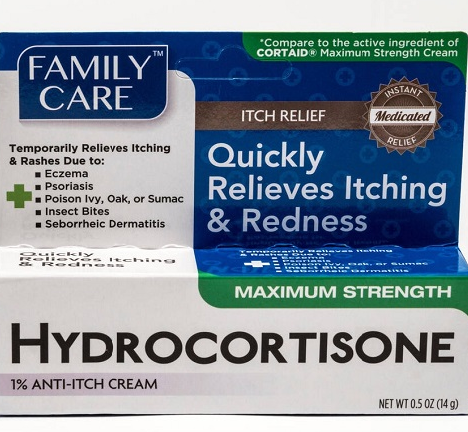
Hydrocortisone is:
Depending on the formulation, hydrocortisone acts differently. It helps to reduce inflammation and itching on the skin. Doctors may also prescribe oral hydrocortisone to replace cortisol if the body does not produce enough of the natural steroid hormone.
Several formulations are available, and patients should use the formulation recommended by a healthcare professional.
#### Uses of Hydrocortisone
Topical hydrocortisone can help control redness, swelling, itching and discomfort of some skin conditions. It can also be used for some forms of eczema and other inflammatory skin conditions.
Oral hydrocortisone can also take the place of the body’s own corticosteroids in people who don’t produce enough of them. Doctors may also use it to treat certain inflammatory, allergic and autoimmune diseases.
What does hydrocortisone do?
Hydrocortisone is a member of the corticosteroid family. It encourages substances in the skin that are able to help reduce inflammation, redness and itching. Therefore, the inflammation may reduce and the skin may feel more comfortable.
But the medicine doesn’t cover all possible causes of a rash. For instance, some infections might require different treatment. See your doctor if symptoms are severe, unusual or do not go away.
How to Use Hydrocortisone?
Follow directions given by your doctor, chemist, or the product label. For topical products, apply only the amount recommended on the product label to the affected skin. Also, try to avoid getting the medicine in your eyes or mouth. Do not bandage the treated areas unless your doctor or nurse tells you to do so.
Take oral hydrocortisone on a schedule your doctor has given you. Do not suddenly stop treatment with long-term oral therapy without medical advice, as your body may need time to adjust.
Potential Side Effects
Sometimes topical hydrocortisone can cause burning, irritation, dryness, acne, unwanted hair growth, or changes in skin colour. More serious problems can be serious rash or signs of infection at the application site.
Oral hydrocortisone can have a number of side effects, such as nausea, headaches, sleep problems, acne and changes in menstrual periods. Long-term or high-dose treatment with corticosteroids also carries other risks. That’s why regular medical supervision is important.
Important Safety Information
Tell your healthcare professional about your medical conditions and other medicines before taking Hydrocortisone. Mention any infections, diabetes, high blood pressure, osteoporosis, liver or kidney problems or any medicines or supplements you are currently taking.
Also, tell your doctor if you are pregnant, planning to get pregnant or breast feeding. Children can be at greater risk from corticosteroid treatment and carers should carefully follow paediatric medical advice.
FAQs
Is hydrocortisone good for itchy skin?
Yes. Hydrocortisone topical relieves itching and inflammation of certain skin diseases. But persistent or worsening itching should be checked out by a doctor.
Can I use hydrocortisone on any rash? the site.
No. Different rashes have different reasons. Some may be caused by infection or other conditions that require different treatment. So if you don’t know what’s causing it, ask a healthcare professional.
Can I stop oral Hydrocortisone suddenly?
Do not suddenly stop taking oral hydrocortisone that has been prescribed to you by your doctor. After extensive treatment the body may need gradual adjustments.
Overall
Hydrocortisone is a corticosteroid with several uses in medical preparations. Topical forms can reduce inflammation and itching, and oral forms can replace cortisol and treat selected medical conditions. However, safe use depends on the choice of the right formulation and following professional instructions. Always talk to a healthcare professional before you start, change or stop treatment or if you have any enquiries about your symptoms, medical history or other medicines.
Reviews
There are no reviews yet.