
Description
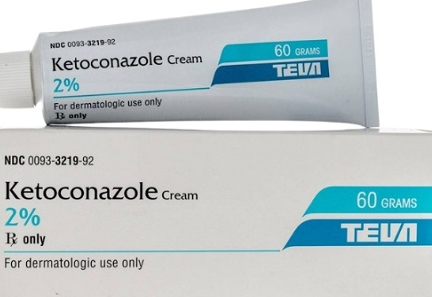
What Is Ketoconazole Cream?
Apply ketoconazole cream directly to the affected skin areas. It is sometimes prescribed by doctors for fungal conditions such as ringworm, athlete’s foot, jock itch, tinea versicolour and some yeast infections of the skin.
Ketoconazole cream may sometimes be prescribed for other skin conditions if a healthcare provider suspects that fungal growth is part of the problem. So it is important to get the right diagnosis before starting treatment.
How Does Ketoconazole Cream Work?
Ketoconazole is an antifungal drug that is part of the imidazole class. It controls growth of fungus on the skin. Therefore, symptoms associated with a fungal infection may improve gradually.
However, different skin conditions can appear similar. So that is why not all rashes that itch or are red are fungal infections.
Typical Applications
Healthcare professionals may suggest Ketoconazole Cream to treat:
- Ringworm on the body
- Athlete’s foot (tinea pedis)
- Tinea cruris Jock itch
- Pityriasis versicolour
- Certain skin yeast infections
Some other fungal related skin conditions can be treated by health care professionals using Ketoconazole cream as well.
Using Ketoconazole Cream
Always follow your healthcare professional’s instructions when using the cream. Patients usually apply enough cream to cover the affected skin and the area around it. The usual prescription is ketoconazole cream once daily for the length of time your health care professional determines.
1. Wash and dry the affected area. Then apply the prescribed amount of cream. Wash your hands after use unless your hands are the area being treated.
Also, do not get the cream in your eyes or mouth. If cream gets into the eyes accidentally, rinse thoroughly with water.
Potential Side Effects
Ketoconazole Cream, like all medicines, can cause side effects. Some may have:
- Xerosis cutis.
- Pruritus
- stinging.
- Local irritation at the application site
- Skin texture changes
Mild irritation in the area where the medicine is applied (usually). However, if symptoms worsen or don’t improve, contact a healthcare professional.
Get emergency medical help if you have signs of a serious allergic reaction: trouble breathing or swallowing, hives, or swelling.
Important Safety Information
Before you use Ketoconazole Cream, tell your doctor or chemist about your allergies and the other medicines you take. Also, talk about pregnancy or breastfeeding before starting treatment.
Of note, topical ketoconazole is not the same as oral ketoconazole. Oral ketoconazole carries important safety warnings, including potentially serious liver injury, and patients should not confuse this formulation with the topical formulation.
FAQs
Is Ketoconazole Cream Antifungal?
Yes. Ketoconazole cream is an antifungal medicine that fights fungi that cause certain skin infections. Ketoconazole cream is used on the skin.
Ketoconazole Cream for Ringworm
Yes. Health care professionals prescribe ketoconazole cream for ringworm and other fungal infections of the skin.
How long does the treatment last?
The length of treatment depends on the type and severity of the infection. So do not stop early when you feel better, but follow the treatment schedule given to you by your healthcare professional.
Can I use this on any skin rash?
No. Not every rash comes from a fungus. Therefore, ask a healthcare professional for an appropriate diagnosis if you are unsure about the cause.
Conclusion
Ketoconazole cream is an established topical antifungal treatment for several fungal skin infections. It can help control conditions such as ringworm, athlete’s foot, jock itch, tinea versicolour, and certain skin yeast infections.
Finally, use the medicine as directed, avoid contact with the eyes and mouth, and seek professional advice if your symptoms worsen or fail to improve. With the correct diagnosis and appropriate treatment, you can manage many common fungal skin infections effectively.
Reviews
There are no reviews yet.