
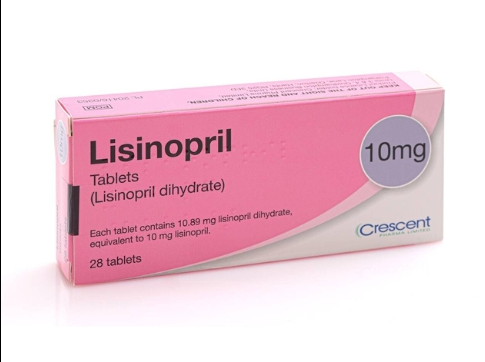
Description
Lisinopril 10mg Uses, Benefits, Side Effects & Safety Guide
Lisinopril 10mg belongs to a class of drugs known as ACE inhibitors and doctors frequently prescribe it for high blood pressure. It works by relaxing and opening blood vessels, allowing blood to flow more easily and reducing the heart’s workload. Lisinopril is also used to treat certain heart conditions and to improve survival after a heart attack.
What is Lisinopril 10mg used for?
Lisinopril 10mg is used by doctors commonly to treat hypertension. Lisinopril may also be used as part of the treatment of heart failure and may help protect the kidneys in some people with diabetes.
Therefore, the medicine may help with cardiovascular health if a healthcare professional feels it is appropriate. But it should be taken by patients as per their prescription.
How Does Lisinopril Function?
Lisinopril belongs to a group of medicines known as ACE inhibitors. It decreases the production of substances which cause the blood vessels to narrow. This relaxes blood vessels which can then lower blood pressure and make the heart pump blood more efficiently .
In addition, doctors may start with a lower dose and change it depending on blood pressure, kidney function and how well the patient tolerates the drug.
How should I take Lisinopril 10mg?
Typically, patients take lisinopril once a day, but the precise schedule depends on the prescription. Take the tablet with a glass of water and try to take it at the same time every day.
f you forget a dose, take it as soon as you remember. t is almost time for your next dose, skip the missed dose. If this occurs, do not take the missed dose. Do not double dose to make up for a missed dose.
Side Effects Common
Lisinopril 10mg, like other medicines, can cause side effects. Typical effects may include:
- Dry coughs
- Lightheadedness
- Headache
- Nausea & Vomiting
- Chronic diarrhoea
- Fatigue
- Fragility
The body may adapt to treatment, and these effects may improve. But talk to your doctor or chemist if the symptoms are troublesome or persist.
Important Safety Information
Lisinopril may be used with caution in certain situations. For example, during treatment healthcare professionals may monitor blood pressure, kidney function and potassium levels.
Tell your doctor about all the medicines and supplements you take. Some painkillers, potassium supplements and other medicines may react with lisinopril.
Do not use lisinopril if you are pregnant. It could harm the unborn baby. If you become pregnant while taking this medicine, call your doctor immediately.
If your lips, tongue, face or throat swell, or you have trouble breathing or swallowing, get medical help right away. These symptoms can signal a serious reaction.
Frequently asked questions.
High blood pressure , Lisinopril 10mg ?
Yeah.” Lisinopril is a medication that is commonly used to treat high blood pressure.
Can I just stop Lisinopril 10mg abruptly?
Do not stop your prescribed treatment without talking to your health care professional. Lisinopril helps control high blood pressure, but it doesn’t cure hypertension.
May cause a cough (lisinopril).
Yeah.” Lisinopril is one of several ACE inhibitors that have been associated with a dry, persistent cough. If it becomes bothersome, discuss with your doctor.
Is Lisinopril 10mg safe for all?
There is no medicine right for everyone. Pregnancy, kidney problems, previous angioedema, allergies and other medicines can influence whether lisinopril is right for you. Always consult your doctor.
Conclusion
Lisinopril 10mg is an ACE inhibitor used primarily to treat high blood pressure and, in selected patients, other cardiovascular conditions. It works by relaxing the blood vessels and reducing the heart’s workload. But patients must take it exactly as prescribed and attend recommended blood pressure and laboratory checks.
Reviews
There are no reviews yet.