
Description
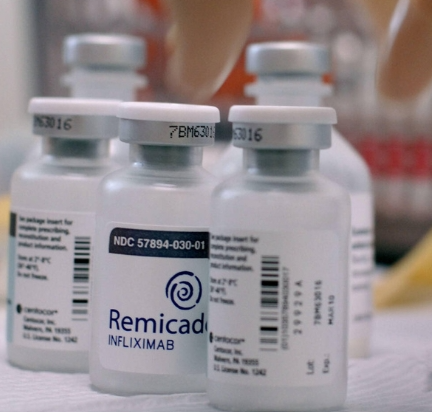
Remicade 100 mg
Remicade 100mg is a prescription medicine used to help manage certain inflammatory and immune-related diseases. It contains the biological medicine infliximab and works by blocking a protein called tumour necrosis factor-alpha (TNF-alpha). That protein can lead to inflammation in the body. So by reducing its activity, you can help control inflammation and the symptoms that come with it.
Remicade is given as an infusion into a vein by a qualified healthcare professional. Because it can affect the immune system, doctors carefully evaluate each patient before treatment begins.
What is Remicade 100 Mg?
Remicade 100mg contains the active substance infliximab which is from a group of medicines called TNF inhibitors. The medicine inhibits a substance involved in the body’s inflammatory response called TNF-alpha.
Excessive TNF-alpha activity can lead to chronic inflammation and tissue damage. Remicade blocks this activity. So it may help improve symptoms and reduce inflammation in people with certain conditions.
The vial contains 100mg of infliximab. A health care professional prepares the drug for intravenous infusion .
What Is Remicade 100mg Used For?
Remicade 100mg may be prescribed by doctors for multiple inflammatory conditions. Infliximab can be used for rheumatoid arthritis, Crohn’s disease, ulcerative colitis, ankylosing spondylitis, psoriatic arthritis and plaque psoriasis, depending on the patient’s condition and treatment plan.
But the right dose and schedule of treatment is different for different conditions. Doctors also consider other things such as age, body weight, other medicines, medical history and response to treatment.
Therefore, patients should only use Remicade as directed by their healthcare professional.
How Does Remicade 100mg Work ?
Remicade binds to TNF alpha and reduces its inflammatory effects. TNF-alpha is normally a regulator of immune activity, but overactivity can contribute to chronic inflammation.
Infliximab targets and blocks TNF-alpha to decrease inflammation in these particular conditions. Therefore, some patients improve compared to their symptoms, physical function or disease activity.
However, not all patients experience immediate results with Remicade. How long it will take to see improvement depends on the condition and individual response.
How is Remicade 100 mg given?
Remicade is administered by intravenous infusion. The medicine is given by a healthcare professional in a medical setting.
During infusion, medical staff may watch the patient for possible reactions. This monitoring is especially important as infusion-related reactions may occur.
Patients should not try to give themselves Remicade. Instead, they should keep their appointments and follow the treatment plan laid out by their healthcare professional.
Important Safety Information
Remicade works on the immune system and can increase the risk of some infections. Doctors might look for infections such as hepatitis B and tuberculosis before you begin treatment.
They should tell their healthcare professional if they have an infection, fever, persistent cough, or other signs of illness. Before starting treatment, patients should also give a complete list of medications, supplements and medical conditions.
Remicade can also cause reactions that are related to the infusion. These can happen during or after an infusion. Medical personnel can monitor for these reactions and treat if necessary.
Potential Side Effects
Remicade 100mg, like all prescription medicines, can cause side effects. Headache, nausea, abdominal discomfort, respiratory infections, and infusion-related reactions may occur in some people.
Infliximab affects how the immune system works and more serious problems can also happen. Seek prompt medical attention for severe allergic reactions, serious infections, breathing difficulties, unusual weakness, or any other concerning symptoms.
This information does not include all possible side effects. Always speak to a qualified healthcare professional about any potential risks.
Other Medicines And Remicade 100mg
Tell your doctor about all medicines you take before you start Remicade. This includes prescription drugs, over-the-counter products, vitamins and supplements.
In particular, some biological medicines and treatments that suppress the immune system may not be suitable to take together. Your health professional can review your medicines and find the safest way to treat you.
Ask your doctor about vaccinations before starting treatment. Some live vaccines may not be suitable if you are taking medicines that affect your immune system.
Frequently asked questions.
What is Remicade 100 mg used for?
Remicade 100mg is a prescription biological medicine that contains infliximab. It blocks TNF-alpha to help reduce inflammation in some immune-related illnesses.
Is Remicade 100mg an antibiotic?
“No. Remicade is not an anti-biotic. It is a modulator of a part of the immune response, a TNF inhibitor.
How do you administer Remicade 100mg?
Remicade is given by a health care professional as an intravenous infusion in an appropriate medical setting.
Who can use Remicade 100mg?
“No. Doctors assess each patient before treatment, because Remicade may not be appropriate for some people with certain infections or medical conditions.
How long does treatment with Remicade take?
The infusion itself takes time and requires medical supervision. This will depend on what is being treated and the doctor’s directions. The whole treatment plan will vary.
Conclusion
Remicade 100mg is a major biological drug for different inflammatory diseases. Blocking TNF-alpha can help to reduce inflammation and control disease activity in selected patients.
Reviews
There are no reviews yet.