
Description
Amphetamine Powder: Safety, Risks and Responsible Research CHEMICALS RESEARCH
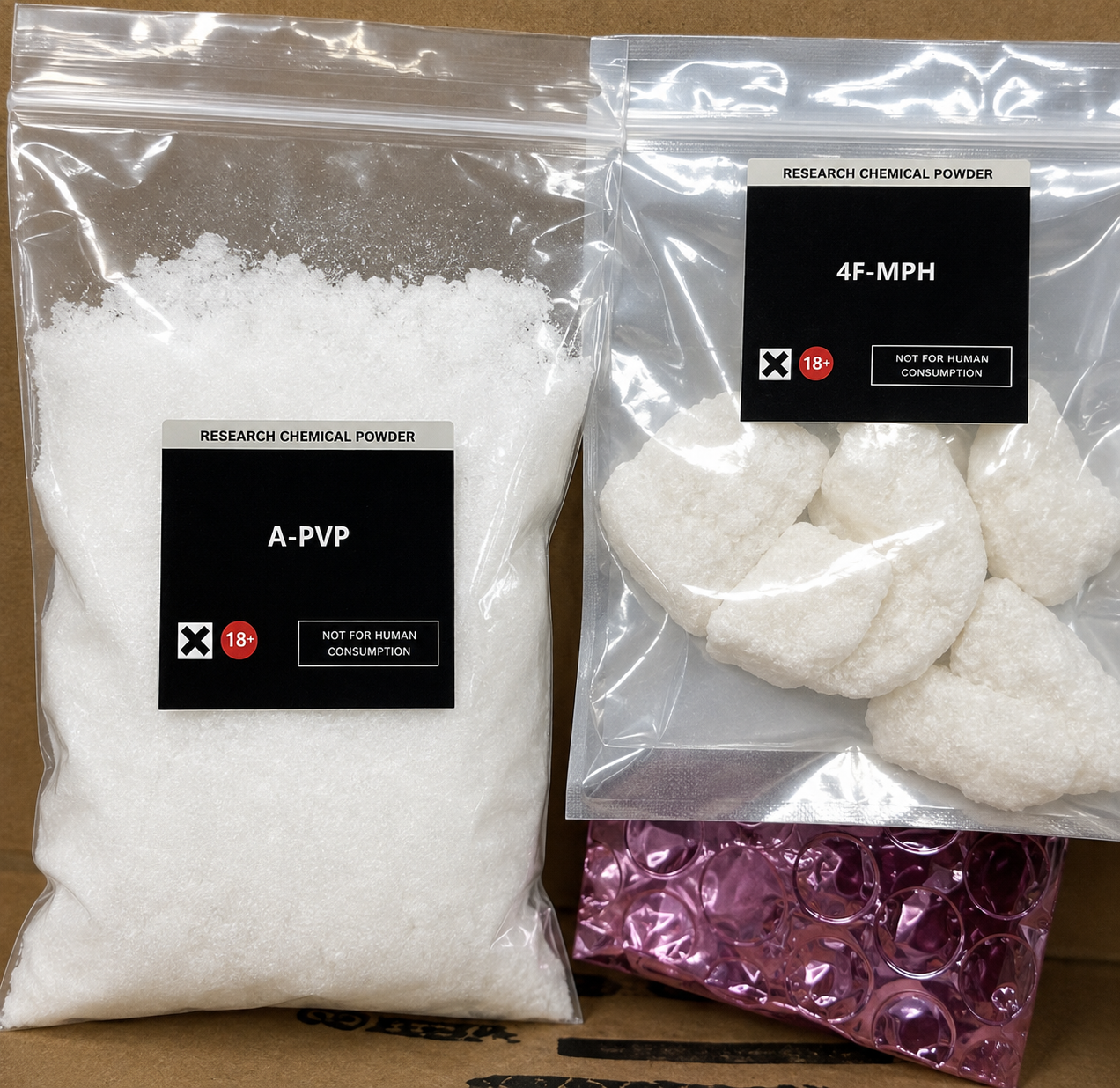
AMPHETAMINE POWDER Amphetamine Powder may refer to powdered amphetamine related material in a research or chemical context. However, amphetamine is a powerful CNS stimulant. So if you come across powder which is not properly labelled, or you are not sure what it is, treat it as potentially dangerous.
What Is An Amphetamine?
Amphetamine is a synthetic stimulant that alters the activity of different chemical messengers in the brain. Some amphetamine-type drugs may be used legitimately for medical purposes under controlled medical circumstances. However medical products are not the same as unidentified research chemicals in terms of formulation, quality control, labelling and legal status.
Also, a powder sold or described as a research chemical may not contain what the label claims. Contamination. Incorrect concentration. Substituted by another compound. All can present significant hazards .
Possible Health Hazards
Amphetamine may have increased stimulation of the nervous system . Exposure can therefore have effects like a faster heart rate, raised blood pressure, restlessness, reduced appetite and difficulty sleeping.
Higher or unpredictable exposures may result in more severe effects. They can cause extreme agitation , confusion , high body temperature , irregular heartbeat , seizures , or other medical emergencies . Thus people should not just assume that an unknown powder is safe just because it has been labelled as a “research chemical.”
Why Product Identification is Important
In legitimate chemical research , proper identification and laboratory analysis is important . However, visual appearance cannot be used to identify, purify, concentrate or determine the safety of a powder.
Also, researchers could be exposed to unnecessary risks when working with unknown chemicals without proper laboratory controls. Appropriate laboratories use appropriate protective equipment, containment procedures, documentation and analytical methods.
Research Conduct Practices
If you are doing research, you must follow the safety rules of your institution and any laws regarding the use of controlled or potentially dangerous materials. Adequate records should be kept and validated analytical methods should be used. Appearance or informal description should not be relied upon.
Information on RESEARCH CHEMICALS Amphetamine Powder should not contain instructions on how to take or prepare it, but should include identification, toxicology, laboratory safety and harm prevention.
Conclusions
RESEARCH CHEMICALS Amphetamine Powder is a powerful stimulant, and unknown powders add a further dimension of uncertainty. Hence responsible management and professional laboratory practices and accurate chemical analysis are still required.
If you think someone may have been exposed to an unknown stimulant powder and they develop severe symptoms such as chest pain, seizures, extreme agitation, collapse or difficulty breathing, call emergency medical services immediately.
Reviews
There are no reviews yet.