
Description
Sodium Cromoglicate Eye Drops 10ml: Easy Guide for Eye Allergies
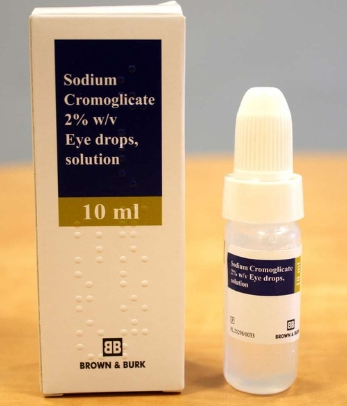
Sodium cromoglicate eye drops 10ml are anti-allergy eye drops used to help prevent and relieve symptoms linked to allergic eye conditions. These symptoms can include itchy, watery, red, irritated eyes and swollen eyelids. Sodium cromoglicate works by reducing the release of substances in the eyes that contribute to an allergic reaction.
What Are Sodium Cromoglicate Eye Drops 10ml?
Sodium cromoglicate is an anti-allergy medicine. A 2% sodium cromoglicate eye-drop solution is available in 10ml packs and is used for allergic conjunctivitis and other eye-allergy symptoms. NHS formulary information also lists sodium cromoglicate 2% eye drops as an option for allergic conjunctivitis.
Allergic conjunctivitis can happen when the eyes react to allergens such as pollen, dust, animal dander, or other irritating substances. Consequently, the eyes may become itchy, red, watery, or uncomfortable. Sodium cromoglicate can help control this allergic response when used as directed.
How Does Sodium Cromoglicate Work?
Sodium cromoglicate helps stabilize cells involved in an allergic reaction. As a result, it reduces the release of natural substances that can cause itching, redness, watering, and inflammation. The medicine is therefore useful for preventing and relieving allergy-related eye symptoms.
However, these eye drops are designed for allergic conditions rather than every type of red or irritated eye. Bacterial, viral, and allergic conjunctivitis can have different causes, so the correct treatment depends on the cause of the symptoms.
What Are Sodium Cromoglicate Eye Drops Used For?
Doctors and pharmacists may recommend sodium cromoglicate eye drops for symptoms associated with eye allergies. These may include:
- Itchy eyes
- Watery eyes
- Red or inflamed eyes
- Allergy-related eye irritation
- Swollen or puffy eyelids
- Allergic conjunctivitis
Some sodium cromoglicate 2% products are also indicated for more severe allergic eye conditions, including vernal keratoconjunctivitis.
How to Use Sodium Cromoglicate Eye Drops
Always follow the instructions provided with your specific product or those given by your doctor or pharmacist. For one sodium cromoglicate 2% product, the patient leaflet states that adults, older people, and children may use one or two drops in each affected eye four times a day, unless a healthcare professional gives different instructions.
Before using the drops, wash your hands. Then tilt your head back and gently pull down the lower eyelid. Place the recommended number of drops inside the lower eyelid without touching the eye with the dropper tip. Close the eye afterward and wipe away any excess liquid with a clean tissue. Finally, replace the cap.
Because products can differ, check the leaflet supplied with your exact bottle for directions.
Contact Lenses and Eye Drops
Contact lens users should take extra care. One sodium cromoglicate 2% patient leaflet advises removing contact lenses before applying the drops and waiting 15 minutes before putting them back in.
Some formulations may also contain preservatives that can irritate the eyes, particularly in people with dry eyes or certain corneal problems. Therefore, read the ingredients and product instructions carefully.
Possible Side Effects
Like other medicines, sodium cromoglicate eye drops can cause side effects in some people. Temporary stinging, discomfort, or unusual sensations may occur after application. Some formulations containing benzalkonium chloride can cause eye irritation, particularly in people with dry eyes.
Stop using the product and seek medical advice if you develop signs of a serious allergic reaction, such as swelling of the face or throat, breathing or swallowing difficulties, or worsening swelling and redness around the eyes.
When Should You Seek Medical Advice?
Not every red or watery eye is caused by an allergy. Seek urgent medical advice for significant eye pain, sensitivity to light, changes in vision, or very severe redness. These symptoms can sometimes indicate a more serious eye problem.
Likewise, speak with a healthcare professional when symptoms become worse or fail to improve as expected. Some sodium cromoglicate products specifically advise contacting a doctor when symptoms worsen or do not improve.
Storage and Safe Use
Keep your eye drops according to the storage instructions on the package. Always keep the bottle closed when it is not being used. Furthermore, avoid touching the dropper tip against your eye, eyelids, fingers, or other surfaces because this can contaminate the product.
Do not share eye drops with another person. Also, check the product leaflet for its expiry date and any instructions about how long the bottle can be used after opening.
Frequently Asked Questions
What are sodium cromoglicate eye drops used for?
They are used to prevent and relieve symptoms associated with eye allergies, including allergic conjunctivitis, itchy eyes, watery eyes, redness, and inflammation.
Can sodium cromoglicate help itchy eyes?
Yes. Sodium cromoglicate is an anti-allergy medicine that can help relieve allergy-related itching and watering of the eyes.
How often should I use sodium cromoglicate eye drops?
The correct frequency depends on the product and the patient’s circumstances. One 2% product leaflet gives a typical direction of one or two drops in each eye four times daily for adults, elderly people, and children, unless otherwise directed. Always follow your own product leaflet or professional advice.
Can I wear contact lenses with sodium cromoglicate eye drops?
Check the specific product information. One sodium cromoglicate leaflet advises removing contact lenses before use and waiting 15 minutes before replacing them.
Final Thoughts
Sodium cromoglicate eye drops 10ml provide a targeted option for managing allergy-related eye symptoms. They can help reduce itching, watering, redness, and inflammation associated with allergic conjunctivitis. However, proper use is important, and persistent, painful, or vision-changing eye symptoms require professional assessment. For safe treatment, always follow the instructions for your exact product and speak with a pharmacist, doctor, or eye-care professional when necessary.
Reviews
There are no reviews yet.