
Description
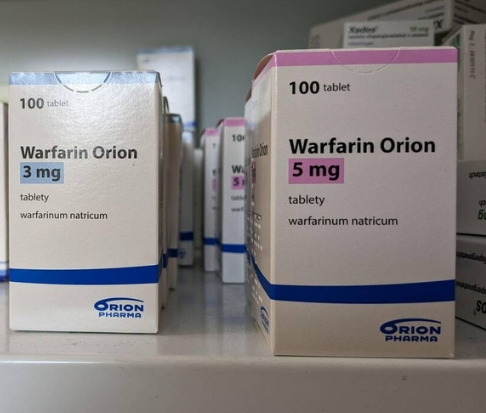
Warfarin, 2 mg
Warfarin 2 mg is an anticoagulant medication that helps prevent and treat harmful blood clots. Physicians may prescribe warfarin for conditions such as deep vein thrombosis (DVT), pulmonary embolism (PE), certain irregular heart rhythms such as atrial fibrillation and some patients with mechanical heart valves. Warfarin is often referred to as a blood thinner, but it does not actually thin the blood. Rather, it interferes with the body’s use of vitamin K, which helps control blood clotting.
What Is Warfarin 2mg Used For?
When doctors need to reduce the risk of dangerous blood clots, they use Warfarin 2mg for anticoagulation. Depending on the medical condition, treatment may be for a very short time or a much longer time. So, every person has a different treatment plan.
Warfarin may be particularly important for those at higher risk of clot formation. For instance, it may be administered following certain blood clotting events or to individuals with specific heart conditions.
What Does Warfarin 2mg Do?
Warfarin works by decreasing the activity of vitamin K in the body. This makes the blood clot more slowly. It can help keep existing clots from getting bigger and also prevent new, dangerous clots from forming.
However, warfarin needs close monitoring as excess anticoagulation effect can increase the risk of bleeding whereas too little might not protect against clots sufficiently.
Warfarin 2mg & INR Testing
Regular INR checks are an important aspect of warfarin therapy. INR means International Normalised Ratio. This blood test helps healthcare providers determine how fast your blood is clotting and if your warfarin dose needs to be adjusted.
Importantly, 2mg is the strength of the tablet, not a dose for all patients. Your prescribed dose will depend on your INR result, your medical condition, other medications, diet and your individual response. You should never therefore change your warfarin dose without advice from your doctor or anticoagulation clinic.
How to Use Warfarin Safely
Take Warfarin 2mg as prescribed. For instance, doctors usually tell patients to take warfarin once a day, at about the same time. If you take it regularly it can make treatment easier to manage.
Also, inform your healthcare professional about any medicines, vitamins, supplements, and herbal products you are using. Warfarin can interact with a number of medicines including some antibiotics, antidepressants, antifungal medicines, heart medicines and anti-inflammatory pain medicines.
If you forget to take it, follow the advice of your healthcare provider. Never take a double dose to make up for a missed dose. If you forget to take your dose, the NHS guidance says to take it as soon as you remember on the same day. If you remember the next day, don’t double your dose, but just skip it.
Food and Warfarin 2mg
Diet can influence warfarin treatment particularly foods that contain vitamin K. There is no need to avoid green leafy vegetables such as spinach and broccoli. Instead, eating foods high in vitamin K regularly may help keep your INR levels more stable.
Also, check with your doctor or chemist before making any major dietary changes or beginning supplements. Alcohol and some drinks can also affect warfarin therapy.
Risk of bleeding and side effects
The greatest risk of Warfarin 2mg is that you may bleed too much. If you experience symptoms such as blood in the urine or stool, vomiting or coughing up blood, significant unexplained bruising or a sudden severe headache with confusion or other neurological symptoms you should go to the nearest hospital or call an ambulance.
Tell your dentist, doctor or other health care professionals that you take warfarin before any procedures or surgery because of the risk of bleeding. It is also wise to carry your anticoagulant ID or alert information where appropriate.
Warfarin 2mg Frequently Asked Questions
Is Warfarin 2mg a blood thinner?
Warfarin is often called a blood thinner but is actually an anticoagulant. It doesn’t thin the blood per se, but it alters the body’s ability to clot.
All of them take 2mg warfarin?
No The dose needed varies from patient to patient. Healthcare professionals individualise warfarin to the patient for his or her medical needs and INR results.
Do I need blood tests regularly on Warfarin 2mg?
Yes. Regular INR tests are an important part of warfarin therapy, as they allow health professionals to monitor the effects of warfarin and adjust the dose accordingly.
What if I change my diet, can I take warfarin?
You may be eating a healthy, balanced diet, but large or sudden changes in the amount of vitamin K you eat can affect INR control. Consult your health care professional about major changes in diet.
Conclusion.
Warfarin 2mg is essential in the prevention and treatment of dangerous blood clots. However, because the effect varies from person to person, safe treatment involves the correct prescribed dose, regular INR monitoring, stable dietary intake and careful concern for interactions with medicine. Always follow the directions of your health professional, and always seek medical advice if you notice any unusual bleeding or are unsure about your treatment.
Reviews
There are no reviews yet.