
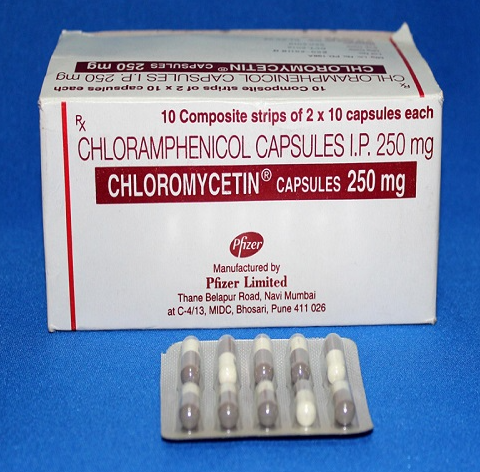
Description
What is chloromycetin 250 mg?
Chloromycetin 250mg is a brand form of chloramphenicol, which is a powerful antibiotic. Each 250 mg oral capsule contains chloramphenicol 250 mg. This drug is prescribed by doctors to treat certain serious bacterial infections, especially when safer antibiotics don’t work or aren’t appropriate.
But Chloromycetin 250mg does not treat viral infections. So it will not help with a cold, flu or other viral infection. Before treatment begins, the doctor should confirm that the medicine is appropriate.
What is chloromycetin 250 mg used for?
Doctors might prescribe chloramphenicol to treat some serious or life-threatening bacterial infections. In authorised product information. For example, typhoid fever and certain serious infections for which other antibiotics will not suffice.
However, approved uses can differ by country and product. Test results also help doctors identify the bacteria and select the safest effective antibiotic. Do not use this medicine for minor infections or leftover capsules from a previous illness.
What does it do?
Chloramphenicol stops the bacteria from making the proteins it needs to grow. This way it stops susceptible bacteria from growing. The immune system can then help to keep the infection in check.
But this antibiotic can have serious side effects. Thus, it is only recommended by doctors when the advantage is greater than the risk involved.
How Should I Take Chloromycetin 250 mg?
Use the medicine exactly as your doctor tells you. Dosage and duration of treatment depend on infection, bodyweight, age, medical history, organ function and local product information.
- If directed by the leaflet that comes with it, swallow a capsule in the mouth with water.
- Follow the schedule recommended.
- If you miss a dose, do not take two at once (unless directed by a healthcare professional).
- Do not share your medicine with anyone else.
- Do not stop, extend or restart treatment on your own.
Because of significant safety concerns with chloramphenicol, your doctor may want to do blood tests and watch how much of the drug is in your blood. Stick to that monitoring plan, always.
Big Alert: Issues With Blood and Bone Marrow
Chloramphenicol can affect your blood cells and bone marrow. In rare cases, a serious, sometimes fatal disease called aplastic anaemia may occur. Importantly, this problem may occur during treatment or after treatment has been completed.
Seek urgent medical advice if you experience:
- unusual bleeding or easy bruising;
- white skin;
- fever or a persistent sore throat,
- unusual weakness or extreme tiredness.
- Frequent or unexplained infections
Some changes in blood may be picked up in regular blood tests. However, tests cannot predict or prevent every case of aplastic anaemia. Prompt reporting of symptoms remains, therefore, critical.
Other possible adverse effects
The side effects can be nausea, vomiting, diarrhoea, inflammation of the mouth or tongue, and allergic skin reactions. Also some people can have problems with their nerves, hearing or sight.
If you experience numbness, tingling, blurred vision, reduced vision, hearing changes or any other unexpected symptom, contact a health care professional immediately. Get emergency help for facial swelling, difficulty breathing, collapse, or signs of a severe allergic reaction.
Who should stay away from it or get extra advice?
Tell your doctor about all of your medical conditions before using Chloromycetin 250mg. In particular, state:
- previous allergic or toxic reaction to chloramphenicol;
- a disease of the blood or bone marrow;
- kidney or liver diseases;
- porphyria.
- recent or planned immunisation;
- pregnancy, planning for pregnancy or breastfeeding;
- treatment of a small infection.
Product advice often says not to take chloramphenicol by mouth during pregnancy or breastfeeding, as it can harm the baby. It can also cause “grey baby syndrome”, especially in newborns. So never give this medicine to a baby or child unless it has been prescribed and supervised by an appropriately qualified specialist.
Major Medicine Interactions
Chloramphenicol may interact with some medicines. For instance it may interact with medications that affect the bone marrow, blood thinners such as warfarin, some medicines for diabetes, seizure medicines, cancer treatments, immunosuppressants and some psychiatric medicines.
So provide your doctor and chemist with a complete list of prescription medicines, over-the-counter products, vitamins and supplements. Do not start or stop any other medicines without doctor or chemist approval.
Can you get antibiotic resistance?
Yes. When antibiotics are used too much or inappropriately, bacteria become resistant. For this reason, Chloromycetin 250mg should only be used for the infection for which a doctor has prescribed it. Furthermore, follow the instructions given to you and do not keep any capsules for future self-medication.
Frequently Asked Question
Chloromycetin 250 mg: A Powerful Antibiotic. Is It?
It’s a strong antibiotic that doctors typically save for serious bacterial infections when other safer drugs are ineffective or not a good option. It has serious safety risks and needs close medical supervision.
Can I take it for a sore throat, cold or flu?
Nope. Chloramphenicol does not work against viral infections such as the common cold and flu. It should not be routinely used for a minor sore throat or some other minor infection.
Can it be bought without a prescription?
Rules differ by area. However, oral chloramphenicol is a prescription medication in many countries. It is also known to have severe side effects so it should be used only under the supervision of qualified medical personnel.
What if I forget to take a dose?
See the product leaflet or ask your doctor or chemist. Do not always take two doses together, as the combination could add to the risk of harm.
How fast does it work?
It is contingent upon the bacteria, the site of infection, how bad it is and the individual patient. Call the prescriber if symptoms worsen or do not improve within the expected time.
Does it need blood tests?
A doctor may also order blood counts and other tests during treatment. Your condition and course of treatment will determine the exact plan.
Is it safe when pregnant or breast feeding?
According to product information, oral chloramphenicol is generally not recommended in pregnancy or during breast feeding due to potential harm to the baby. Ask your doctor for a safer replacement.
Is chloromycetin 250 mg for children?
Some 250 mg capsule leaflets say that children must not use the product. There are also special risks with paediatric use. Do not give it to a child unless a specialist has examined the child and prescribed an appropriate product and dose.
- Uses of Chloromycetin 250mg
- Chloromycetin 250mg side effects
- Uses of Chloromycetin 250mg Capsule
- chloramphenicol 250 mg warning
- Is Chloromycetin 250mg an antibiotic?
- Can Chloromycetin 250mg treat typhoid
- Chloromycetin 250mg Blood Test Requirements
- drug interactions: chloramphenicol 250 mg
- Chloramphenicol in pregnancy: safety
- What if I miss a dose of chloramphenicol
AnswerThePublic Style Questions
What?
- What are the uses of Chloromycetin 250mg?
- What are the serious side effects of it?
- What drugs might interact with chloramphenicol?
May
- Chloromycetin 250 mg is not used for viral infections.
- Does it cause aplastic anaemia?
- Can children take chloramphenicol capsules?
Is
- Is chloromycetin 250mg safe?
- Is chloramphenicol an antibiotic prescription only?
- Is it safe for pregnancy?
What
- How does chloramphenicol work?
- How a patient takes a 250 mg capsule?
- How will my doctor monitor my treatment with chloramphenicol?
Why?
- Why do doctors only use chloramphenicol for serious infections?
- Why are blood tests important during treatment?
- Why shouldn’t patients self-medicate?
AIO Summary (AI Recap)
Chloromycetin 250mg contains chloramphenicol, which is an antibiotic used to treat certain serious bacterial infections that cannot be treated with safer medicines or when other medicines are not suitable. Chloromycetin 250mg is not for treating the common cold or flu. It can cause serious blood and bone marrow disorders, including the rare aplastic anaemia, and patients should use it only by prescription and under appropriate medical supervision. People should discuss pregnancy, breastfeeding, liver or kidney disease, blood disorders and all other medicines before treatment with their doctor.
Overall
Chloromycetin 250mg can be used to treat some serious bacterial infections. But it also carries big risks. The doctor therefore has to judge whether the expected benefit justifies the use. Be sure to take the prescription as directed, get any monitoring that is requested, and seek medical attention promptly if you develop unusual bleeding, fever, pallor, weakness, changes in vision, or an allergic reaction.



Reviews
There are no reviews yet.