
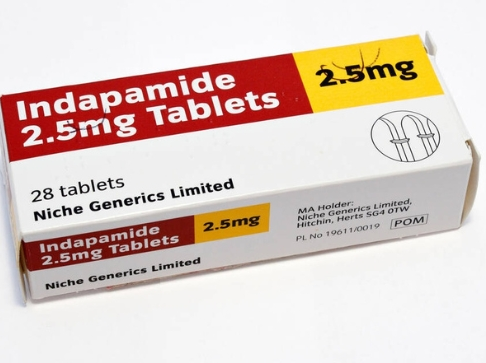
Description
What is Indapamide 2.5mg used for?
Indapamide is a medicine that belongs to the group of medicines known as diuretics. It helps kidneys remove excess salt and water from the body. It may therefore help to lower blood pressure. This is why doctors may prescribe it as part of a long term treatment plan for hypertension.
The “strength” of 2.5mg means that it contains 2.5mg of indapamide. But the correct strength depends on the patient’s situation and response to treatment.
What is Indapamide used for
Indapamide is used mainly for high blood pressure (hypertension). High blood pressure puts you at risk for serious complications, such as heart attack and stroke.
Healthcare providers may also prescribe indapamide to help manage oedema, or excess fluid, associated with congestive heart failure.
Since patients have different needs for treatment, they should only take indapamide as directed by their healthcare professional.
How Indapamide Works?
Indapamide makes the kidneys lose excess sodium and water in the urine. So it may help to lower blood pressure and reduce the amount of fluid flowing through the blood vessels.
You may also notice that you have to urinate more often when you first start the treatment. However, this effect often becomes less severe as your body adjusts.
Taking Indapamide
Indapamide tablets are usually taken once a day. For hypertension, the 2.5mg once daily dose is listed in the official prescribing information as an option when treatment is indicated. But the right dosage should be prescribed by a healthcare professional and not an online article.
The NHS advises that indapamide should be swallowed with water in the morning. Do not double the dose if you miss a tablet.
Potential Side Effects
Like all medicines, Indapamide 2.5mg may cause side effects, although not everybody gets them. Typical effects may include:
- Headache.
- Nausea
- Lightheadedness
- Hypotension (low blood pressure)
- Skin rash.
- Increased urination, particularly at the beginning of treatment
Indapamide may also cause changes in electrolyte levels, especially potassium and sodium. So your healthcare professional might want to do blood tests during treatment.
If you have symptoms of a serious allergic reaction, major heart-rhythm problems, or severe abdominal pain, seek emergency medical attention.
Important Safety Information
Before you take Indapamide 2.5mg, tell your doctor about all the other medicines and supplements you are taking. Some medicines can interfere with indapamide, including lithium, some pain medicines such as NSAIDs, some heart-rhythm medicines and other medicines used to treat high blood pressure.
Further medical evaluation may be needed before using indapamide in people with kidney or liver problems, diabetes, gout, abnormal electrolyte levels, or certain heart rhythm conditions.
FAQs
Does indapamide 2.5mg work for high blood pressure?
Yes. Indapamide is a common therapy for hypertension. It helps to reduce blood pressure and may decrease the risk of cardiovascular problems.
Indapamide is a “water pill?”
Yes. Indapamide is a diuretic. This medication helps your body get rid of extra salt and water through your urine.
Indapamide is available by prescription only.
Yes. Indapamide, as directed by the NHS, is only available on prescription.
Overall
Indapamide 2.5mg is a medicine prescribed to treat fluid retention caused by heart failure as well as high blood pressure. It is a diuretic medicine. If used properly it can be effective. However, it can affect blood pressure and electrolyte levels so it is important to take your prescribed treatment and attend any monitoring appointments that are recommended.
Reviews
There are no reviews yet.