
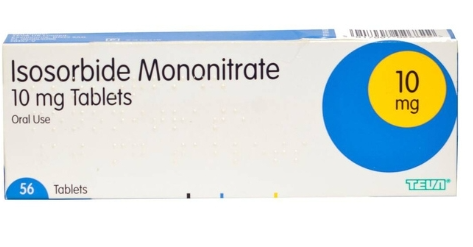
Description
Isosorbide Mononitrate 10mg is a medication used to prevent chest pain (angina) in patients with heart conditions. It works by relaxing and widening blood vessels, allowing blood to flow more easily to the heart. This helps reduce the frequency and severity of angina attacks.
Isosorbide mononitrate acts as a heart medicine that relaxes and widens blood vessels. It improves blood flow to the heart and reduces the strain on the heart. Doctors may prescribe it as part of a treatment
Isosorbide mononitrate 10mg – Uses, Benefits, Dosage & Safety
If you are researching Isosorbide mononitrate 10mg, it is important to understand how this medicine works and why doctors prescribe it. Isosorbide mononitrate belongs to a group of medicines called nitrates. Doctors commonly use it to help prevent angina, which causes chest pain when the heart does not receive enough oxygen-rich blood.
What Is Isosorbide Mononitrate 10mg?
Isosorbide mononitrate is a heart medicine that relaxes and widens blood vessels. As a result, it can improve blood flow to the heart and reduce the strain on the heart. Therefore, doctors may prescribe it as part of a treatment plan for people with angina. It can also be used alongside other medicines in some cases of heart failure.
The 10mg strength is available as a standard tablet in some formulations. However, different formulations have different dosing schedules, so patients should follow the instructions provided by their doctor or pharmacist.
What Is Isosorbide Mononitrate Used For?
The main purpose of isosorbide mononitrate is to prevent angina attacks. It works by relaxing blood vessels and helping blood reach the heart more easily. Consequently, regular treatment can reduce the frequency of angina symptoms in appropriate patients.
Importantly, isosorbide mononitrate is not designed to stop a sudden angina attack. Patients with angina should follow their healthcare professional’s instructions for emergency or rapid-relief treatment.
How Is Isosorbide Mononitrate 10mg Taken?
Take Isosorbide mononitrate 10mg exactly as prescribed. The correct dose depends on the condition being treated, the formulation, and the patient’s individual needs. NHS guidance lists 10mg twice daily as a usual standard-tablet dose for preventing angina, but your own prescription may differ.
Furthermore, some versions are slow-release medicines and follow a different schedule. Never change the dose or crushing instructions without professional advice.
Common Side Effects
Like other medicines, isosorbide mononitrate can cause side effects. Common effects include:
- Headache
- Dizziness
- Weakness or tiredness
- Sleepiness
- Nausea
- Facial flushing
These effects often improve as the body becomes accustomed to the medicine. However, contact a healthcare professional if symptoms become severe or continue.
Important Medicine Interactions
Before using Isosorbide mononitrate 10mg, tell your doctor or pharmacist about all medicines you take. In particular, nitrate medicines can interact dangerously with erectile-dysfunction medicines such as sildenafil, tadalafil, vardenafil, and avanafil. They can cause blood pressure to fall too low.
Additionally, alcohol can increase the blood-pressure-lowering effects and may make dizziness or light-headedness worse.
Who Should Take Extra Care?
Some people may not be suitable for this medicine. For example, patients with very low blood pressure, certain heart conditions, recent head injuries, anemia, glaucoma, or a history of stroke should discuss their medical history with a healthcare professional before treatment.
Frequently Asked Questions
Is Isosorbide mononitrate 10mg used for chest pain?
Yes. Doctors commonly prescribe it to prevent angina-related chest pain. However, it does not provide rapid treatment for a sudden angina attack.
Can I change my dose?
No. Always follow your prescription. Different formulations require different schedules, so a doctor or pharmacist should guide any dose change.
Can this medicine cause dizziness?
Yes. Dizziness, weakness, tiredness, and sleepiness can occur. If you feel dizzy or faint, avoid driving or operating machinery until you feel well again.
Conclusion
Isosorbide mononitrate 10mg is a nitrate medicine that can help prevent angina by relaxing blood vessels and improving blood flow to the heart. However, it requires appropriate medical supervision because it can lower blood pressure and interact with certain medicines. Therefore, use it only according to your healthcare professional’s instructions and seek urgent medical help for severe or persistent chest pain.
In some cases of heart failure, it can also work alongside other medicines.
The 10mg strength comes as a standard tablet in certain formulations. However, different formulations come with varying dosing schedules, so patients must follow the instructions given by their doctor or chemist.
What does Isosorbide Mononitrate treat?
The primary function of isosorbide mononitrate is to prevent angina attacks. It relaxes blood vessels and helps blood reach the heart more easily. Regular treatment can reduce the frequency of angina symptoms in appropriate patients.
Isosorbide mononitrate does not stop a sudden angina attack. Patients with angina must follow their healthcare professional’s instructions for emergency or rapid-relief treatment.
How do you take isosorbide mononitrate 10 mg?
Take Isosorbide mononitrate 10mg exactly as your doctor prescribes. The correct dose varies based on the condition being treated, the formulation, and the patient’s individual needs. NHS guidance recommends a standard tablet dose of 10mg twice daily for preventing angina, but your prescription may vary.
Some versions act as slow-release medicines and follow a different schedule. Always seek professional advice before changing the dose or crushing instructions.
Typical Reactions
Isosorbide mononitrate, like other medicines, can cause side effects. Common effects are:
- My head hurts.
- Dizziness occurs.
- Feeling weak or tired
- Feeling drowsy can be quite overwhelming.
- Nausea strikes unexpectedly, leaving a heavy feeling in the stomach.
- Facial flushing occurs when the skin on the face becomes red or warm, often due to various triggers.
The body often becomes accustomed to the medicine, leading to improvements in these effects. Contact a healthcare professional if symptoms worsen or persist.
Significant interactions between medications
Before using Isosorbide mononitrate 10mg, inform your doctor or chemist about all the medicines you take. Nitrate medicines can dangerously interact with erectile-dysfunction medicines like sildenafil, tadalafil, vardenafil, and avanafil. They may cause blood pressure to drop too low.
Additionally, alcohol increases the blood-pressure-lowering effects and worsens dizziness or light-headedness.
Who needs to take extra care?
Some individuals might not find this medicine suitable for them. Patients with very low blood pressure, certain heart conditions, recent head injuries, anaemia, glaucoma, or a history of stroke must discuss their medical history with a healthcare professional before treatment.
Common Questions
Isosorbide mononitrate 10mg treats chest pain.
Absolutely. Doctors frequently prescribe it to prevent chest pain related to angina. However, it fails to deliver quick treatment for a sudden angina attack.
Can I adjust my dose?
No. Always adhere to your prescription. Different formulations require different schedules, so a doctor or chemist guides any dose change.
Does this medicine cause dizziness?
Absolutely. Dizziness, weakness, tiredness, and sleepiness may happen. If you feel dizzy or faint, do not drive or operate machinery until you feel better.
In conclusion
Isosorbide mononitrate 10mg serves as a nitrate medicine that prevents angina by relaxing blood vessels and improving blood flow to the heart. However, appropriate medical supervision is necessary because it can lower blood pressure and interact with certain medicines. Use it only as your healthcare professional instructs and seek urgent medical help for severe or persistent chest pain.

Reviews
There are no reviews yet.