
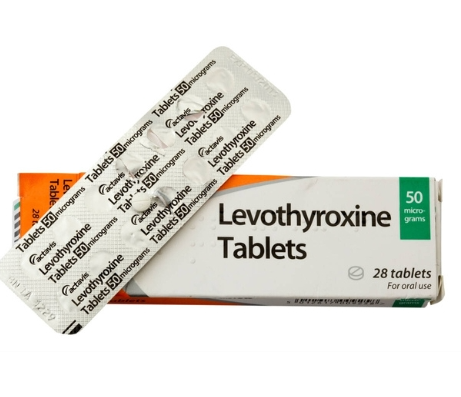
Description
Levothyroxine: Uses, Benefits, Dosage and Safety
Levothyroxine is a thyroid hormone medication that is often prescribed for hypothyroidism, a condition in which the thyroid gland does not produce enough thyroid hormone. Thyroid hormones control many body functions, so replacing the missing hormone can help restore normal thyroid function.
Levothyroxine is a synthetic version of the thyroid hormone T4. It is used to treat hypothyroidism, a condition where the thyroid gland does not produce enough thyroid hormones. Levothyroxine helps to replace the missing hormone and regulate the body’s metabolism, energy levels, and overall functioning. It is commonly prescribed to individuals with an underactive thyroid or those who have had their thyroid gland removed.
Levothyroxine is a synthetic form of thyroxine, or T4. It works by replacing the hormone your body makes in your thyroid. So it may help with some of the symptoms of an underactive thyroid, such as tiredness, constipation, dry skin, sensitivity to cold, hair changes and weight changes.
What Is Levothyroxine Used For?
Doctors mostly prescribe levothyroxine to treat hypothyroidism. It can also be used with treatment for some thyroid cancers and other thyroid problems. The treatment plan depends on the patient’s condition, age, medical history and laboratory results.
How Is Levothyroxine Usually Taken?
Patients should take Levothyroxine exactly as prescribed by their doctor. It is usually taken once a day on an empty stomach, about 30 minutes to 1 hour before breakfast. The right dose is different for each person and patients should not change their dose unless told to do so by their healthcare professional.
Absorption can also be affected by some medications and supplements. For example, calcium and iron supplements usually need to be taken at least four hours apart from levothyroxine. Therefore, tell your doctor or chemist about all the medicines, vitamins and supplements you use.
Side Effects Common
Most people do well on Levothyroxine when the dose is correct. Too much thyroid hormone can cause symptoms such as nervousness, shaking, sweating, difficulty sleeping, fast heartbeat or unexplained weight loss. Therefore, medical supervision is important.
Call your doctor at once if you have serious side effects such as: chest pain, severe breathing problems, fast or irregular heartbeat.
Important Safety Information
Levothyroxine is not to be used as a weight-loss drug in people with normal thyroid function . Large doses can cause serious or potentially life-threatening effects.
Also, do not stop treatment abruptly without the guidance of your healthcare professional. Doctors will check thyroid hormone levels, and blood tests such as TSH, to see if treatment is working well.
Frequently asked questions.
Levo for underactive thyroid?
Yeah.” Levothyroxine is one of the most commonly used medicines for hypothyroidism. It replaces the thyroid hormone that the body lacks.
Does Levothyroxine make you lose weight?
This is not for weight loss medicine. Taking thyroid hormone when you don’t need it can have dangerous effects.
Yes, you can take calcium with levothyroxine, but it’s best to space them out. Calcium, especially when taken as a supplement, can interfere with the absorption of levothyroxine, a medication used to treat hypothyroidism. To ensure both are absorbed properly, it’s generally recommended to take them at least 4 hours apart.
Calcium can inhibit absorption. Guidance for healthcare professionals often says that calcium supplements should be taken at least four hours apart from levothyroxine.
How fast does Levothyroxine work?
It may take several weeks for some symptoms to improve. Thyroid blood tests may also be done by doctors to make sure the dose is right.
Conclusion
Thyroid hormone replacement with levothyroxine is important in the treatment of hypothyroidism because the body can’t produce enough of it on its own. Therefore patients should use it regularly, follow their prescribed instructions and attend their recommended blood tests. And most importantly, do not alter the dose or take thyroid hormone for weight loss without medical supervision.

Reviews
There are no reviews yet.