
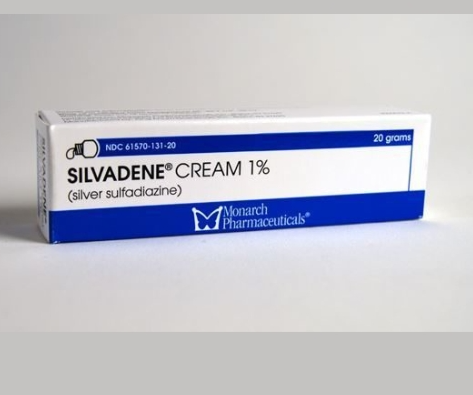
Description
What is Silvadene 1% Cream used for?
Silvadene 1% is a prescription topical cream containing silver sulfadiazine. It is a topical antimicrobial medicine and is a sulfonamide group. Physicians use it as an adjunct in the prevention and treatment of wound infection in persons with second and third degree burns.
Burn wounds are prone to infection, so you need to get good medical care. That’s why doctors may add silver sulfadiazine cream to a burn treatment plan. But it should be taken as prescribed.
What is Silvadene 1% used for?
The principal accepted use for Silvadene 1% is as an adjunct in the prevention and treatment of wound sepsis in second- and third-degree burns. The drug acts on many bacteria that can affect damaged skin.
Silvadene is not a substitute for full burn treatment. A health care professional may also need to clean the wound, remove damaged tissue if necessary, assess the depth of the burn, and choose appropriate dressings.
First, give first aid to a new burn. NHS guidance adds: “Cool a burn with cool running water for 20 minutes. “Do not use creams, oils or butter as a first aid treatment on a fresh burn.”
How does Silvadene 1% work?
Silver sulfadiazine will be expected to act on the bacteria at the burn site. It might therefore help to reduce the risk of bacterial infection in vulnerable burn wounds. It is sometimes used by doctors to treat burns because it is antimicrobial, in part.
Patients should not use more cream or use it more often than directed. Following the treatment protocol helps to minimise unnecessary exposure and ensures the wound is managed appropriately.
How Do I Use Silvadene 1%?
The cream may be applied by the healthcare professional or by the patient as directed. MedlinePlus says silver sulfadiazine is usually put on once or twice a day, but the exact schedule depends on the individual treatment plan.
The affected area may need to be cleaned and dead tissue removed properly before application, under medical guidance. MedlinePlus also discusses applying cream to the affected area and keeping the wound covered with it as directed.
Follow the instructions on the prescription label. Do not take more or less than prescribed.
Side effects Very common
As with other medicines, side effects may occur with Silvadene 1% cream. Some people may experience pain, burning or itching at the site of treatment.
Serious reactions can occur but are very rare. Current prescribing information describes serious allergic, skin, blood, liver and kidney reactions that may be associated with sulfonamide therapy.
So, if you develop a serious rash, unexplained bleeding or bruising, fever, yellowing of the skin or eyes, unusual weakness or other symptoms about which you are concerned, seek medical attention immediately.
Who Should Not Take Silvadene 1%?
CONTRAINDICATIONS: Hypersensitivity to silver sulfadiazine or to any component of the formulation. CONTRAINDICATIONS: Hypersensitivity to silver sulfadiazine or to any component of the formulation. It is not recommended in premature infants, newborns in the first two months of life and pregnant women at or near term because of the risk of sulfonamide exposure. It is not recommended in premature infants, newborns in the first two months of life and pregnant women at or near term because of the risk of sulfonamide exposure.
Also, patients with certain medical conditions should consult a healthcare provider before treatment. Also, patients with certain medical conditions should consult a healthcare provider before treatment. This group includes people with liver or kidney disease and people with glucose-6-phosphate dehydrogenase deficiency, as some of those affected may have haemolysis. This group includes people with liver or kidney disease and people with glucose-6-phosphate dehydrogenase deficiency, as some of those affected may have haemolysis.
Silvadene 1% may be used on burns of the following types:
“No. Indications Silvadene 1% is indicated as an adjunct in the treatment of second and third degree burns. It is NOT a general purpose cream for every little skin injury.
Also, if the burn is severe, deep, large, chemical, electrical, on the face, on the genitals, or otherwise concerning, it needs a professional medical evaluation. Chemical burns need urgent attention and severe burns need urgent medical attention, says the NHS.
Silvadene 1% Frequently Asked Questions
Is Silvadene 1% an antibiotic cream?
Silvadene 1% is a topical antimicrobial cream containing silver sulfadiazine. Doctors use it to help prevent and treat infection associated with second and third degree burns.
How often can I use Silvadene 1% in a day?
Silver sulfadiazine is usually applied once or twice a day. The best way to apply silver sulfadiazine to your wound is as directed by your health care professional.
Silvadene 1% is used in children.
Do not use in infants younger than 2 months of age. With older children, a health professional should assess the need for treatment if appropriate.
Can I put Silvadene 1% on a small new burn?
Use first aid instead of Silvadene 1%. NHS guidelines say you should cool a new burn under cool running water and you should not put creams on during first aid for a burn.
Is Silvadene 1 OK during pregnancy?
CONTRAINDICATIONS: Pregnancy, particularly near term or at term. CONTRAINDICATIONS: Pregnancy, particularly near term or at term. Kernicterus may result from sulfonamide therapy. Kernicterus may result from sulfonamide therapy. Tell your doctor if you are pregnant or breast-feeding before you use this medicine. Tell your doctor if you are pregnant or breast-feeding before you use this medicine.
Conclusion.
Silvadene 1% might be an important part of the medical treatment of some serious burns. Has topical antimicrobial activity. It is indicated as an adjunctive therapy for second- and third-degree burns. “But proper burn assessment, cleaning, dressing and monitoring are still key..
Reviews
There are no reviews yet.