
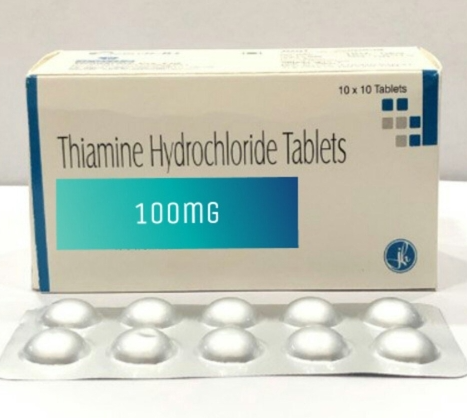
Description
Thiamin 100mg – Uses, Benefits, Dosage and Safety Information
Thiamin 100mg is a vitamin B1 supplement that provides the body with thiamin when dietary intake may not be sufficient or when a healthcare professional recommends supplementation. is a water-soluble vitamin which is important in energy metabolism, cell function, growth and development. So, vitamin B1 is important for carrying out several functions in the body.
Thiamin 100mg What is it used for?
Thiamin, also known as vitamin B1, helps the body convert the nutrients from food into energy it can use. It also helps normal cellular function. Because the body stores only small amounts of thiamin, regular intake in the diet is important. Thiamin 100mg is many times the normal daily nutritional requirement so this strength should be used as directed on the product or as advised by a healthcare professional.
Thiamin supplements are readily available as thiamin hydrochloride or thiamin mononitrate. Benfotiamine is a synthetic derivative of thiamin found in some supplements.
Why Is Thiamine Important?
Thiamin is involved in supporting enzymes involved in the metabolism of carbohydrates, amino acids and fats. The vitamin is thus involved in normal energy production and cellular function. Normal cardiovascular and nervous system function also requires adequate thiamin.
Most people consume sufficient thiamin in a well-rounded diet. Thiamin is found in whole grains, fortified breads and cereals, rice, pasta, pork, fish, legumes, seeds and nuts. However, there are some people who are at greater risk of inadequate intake or absorption.
Vitamin B1 Deficiency
“Thiamine deficiency can affect several parts of the body. Early deficiency can cause loss of appetite, weight loss, confusion, memory problems and muscle weakness. A more severe deficiency can lead to beriberi, which can involve nerve and cardiovascular problems. Severe deficiency may also be involved in the Wernicke-Korsakoff syndrome.
Therefore, healthcare professionals may recommend thiamin supplementation for those at higher risk of deficiency. The risk may be higher in some conditions such as alcohol dependence, certain gastrointestinal conditions, HIV/AIDS, diabetes and after bariatric surgery.
What Is Thiamin 100mg Used For?
The appropriate amount of thiamin depends on the reason for supplementation and the individual’s nutritional needs. The recommended daily intake for healthy adults is nowhere near 100mg – about 1.2mg per day for men and 1.1mg per day for women. For pregnancy and breastfeeding, the recommended amount increases to 1.4mg daily. So a 100mg supplement should not be considered a routine replacement for the standard daily requirement.
If deficient, a healthcare professional may recommend a particular dose and length of thiamin depending on the extent of deficiency. Therapeutic plans can be quite different, particularly when the deficiency is severe.
Thiamin 100 mg Benefits
Thiamin 100mg may be used as a concentrated source of vitamin B1 when medically or nutritionally indicated. It primarily functions to aid in keeping sufficient amounts of thiamin and to assist in normal energy metabolism. More importantly, correcting a known deficiency can help ameliorate problems of insufficient thiamin.
However, thiamin should not be promoted as a general cure for fatigue or any other symptoms in the absence of an underlying cause. Balanced diet, proper medical evaluation and correct supplementation are all important.
Potential Side Effects and Safety
Thiamin is generally well tolerated when used as directed. But people should follow the label directions and expert advice, particularly with high-dose supplements.
Before taking Thiamin 100mg, tell your doctor or chemist about your medicines, supplements, allergies and medical conditions. Also, see a doctor if you experience any strange symptoms after taking a supplement.
Thiamin, Who Needs It?
Certain individuals are more prone to thiamin deficiency. This includes people who have alcohol dependence, older adults, people with certain medical conditions, people who have had bariatric surgery, and people with problems absorbing nutrients.
Therefore, if clinically indicated, a healthcare professional may recommend a higher-dose supplement such as Thiamin 100mg.
Questions & Answers
What is Thiamin 100mg used for?
Thiamin 100mg is used to give you vitamin B1. It may be used to prevent or treat thiamin deficiency, depending on your individual requirements.
Is 100mg of thiamin a normal daily intake?
No 100mg is a high-dose Supplement , not the usual recommended daily dose of around 1.1-1.2mg for adults .
Does food have thiamin in it?
Yeah.” Whole grains, fortified foods, pork, fish, legumes, nuts, and seeds contain thiamin.
100mg thiamin a day? Should I?
The right schedule depends on the reason you are supplementing and what a healthcare professional or the product label recommends.
Conclusion.
Thiamin 100mg is a high-strength vitamin B1 supplement which may help provide thiamin when supplementation is appropriate. Thiamin supports energy metabolism and normal cellular function, and deficiency can cause significant health problems. So, use high-dose thiamin thoughtfully for treating or preventing a deficiency, and follow the advice of professionals.
Reviews
There are no reviews yet.