
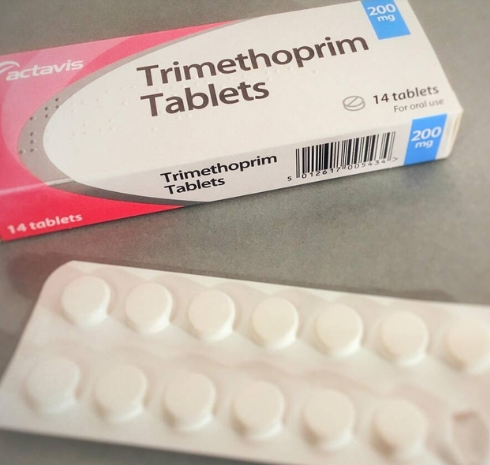
Description
250 mg trimethoprim
Trimethoprim 200 mg is an antibiotic medicine that works against bacteria. It is used to treat certain bacterial infections, especially urinary tract infections (UTIs) such as cystitis. It disrupts the way bacteria produce folic acid, a compound they require to grow and thrive. So, if bacteria are susceptible to trimethoprim, it can stop them from multiplying and allow the body to clear the infection.
Trimethoprim 200 mg will not work for viral infections such as the common cold or flu because antibiotics kill bacteria. This medicine should only be used in patients when a doctor thinks that an antibacterial treatment is appropriate. The unnecessary use of antibiotics can also contribute to resistance to antibiotics.
What is Trimethoprim 200mg used for?
Trimethoprim is a common drug used by doctors to treat urinary tract infections. UTIs can affect different parts of the urinary system. Symptoms may include burning or pain with urination, a frequent urge to urinate, urgency, cloudy urine, or discomfort in the lower abdomen.
In certain situations, trimethoprim may also be prescribed for other bacterial infections or to prevent urinary infections from recurring. The best treatment depends on the infection, the patient’s age, kidney function and other medical conditions.
How Does Trimethoprim Work?
Trimethoprim inhibits a key step in the production of folic acid by bacteria. This makes it difficult for bacteria to grow and reproduce. This will reduce the bacterial population and help recover from an infection.
And the medicine should be taken exactly as directed. Do not change the dose or stop treatment early just because you feel better. Taken as directed the course of treatment may help to reduce the chance of the infection coming back.
Dosage of Trimethoprim 200 mg
The appropriate dose depends on the condition being treated and on the individual patient. The usual adult dose to treat a UTI is 200 mg twice a day but the length of treatment varies depending on the patient and type of infection, according to NHS guidance.
For example, simple UTIs can be treated with shorter courses and some patients or more complex infections require longer courses. Hence, patients should follow the prescription provided by their doctor or chemist and not a general dosage schedule.
Trimethoprim tablets may be taken with or without food. Take the tablet with water and follow the directions that come with the medicine.
Side effects Common
Trimethoprim 200 mg, like all medicines, may cause side effects, although many people have no side effects or only mild ones. Possible common side effects include:
- Skin rash or itching, mild
- Nausea & Vomiting
- Diarrhoea
- Headache
- Thrush
Mild side effects are common and usually go away with continued treatment or after the treatment is finished. However, any troublesome, persistent or severe side effect should be discussed with a healthcare professional.
Warnings and Serious Side Effects
Serious reactions are rare but can occur. Seek medical attention if you have severe or persistent diarrhoea, unexplained bruising or bleeding, yellowing of the skin or eyes, severe skin reactions or other worrying symptoms. Rarely Trimethoprim can cause high levels of potassium in your blood which can cause muscle weakness, an abnormal heartbeat or chest pain.
You also may have a serious allergic reaction. If you notice swelling of the face, lips, mouth, tongue or throat, or have trouble breathing, get emergency help.
Potential Drug Interactions With Trimethoprim
Inform your doctor or chemist of all medicines, vitamins and supplements you use before you take Trimethoprim 200 mg. Important examples are warfarin or acenocoumarol, digoxin, phenytoin, some medicines for diabetes, methotrexate and some antibiotics. Trimethoprim can also affect an oral typhoid vaccine and may make it less effective.
Patients with kidney or liver problems, or at risk of folate deficiency, may also need special consideration before treatment.
When to See a Doctor
Contact your doctor for advice if your infection does not start to get better after about 2 days of treatment or if you feel worse at any time. This is especially true if urinary symptoms are accompanied by fever or chills, back or side pain, or general malaise, as these symptoms can signify a more serious infection.
Do not give your antibiotics to someone else. And don’t use leftover tablets from a previous infection. Different infections may need different treatments.
Questions & Answers
What is the purpose of Trimethoprim 200 mg?
It is an antibiotic most commonly used to treat some bacterial infections including some urinary tract infections like cystitis.
How often should I take Trimethoprim 200 mg ?
The usual dose of cefalexin for adult UTIs is 200 mg twice daily. Your prescribed schedule may be different depending on your condition and other factors of your health.
Trimethoprim 200mg for colds or flu?
No The medicine trimethoprim is an antibiotic, and does not work against colds and flu which are caused by viruses.
Is it okay to take trimethoprim with food?
Yes. Trimethoprim tablets may be taken with or without food.
Q. What happens if I miss a dose?
If you forget a dose, take it as soon as you remember unless it is near the time of the next dose. Do not double dose to make up for a missed dose.
Final thought
Trimethoprim 200 mg is a known antibiotic for some bacterial infections, especially some UTIs. It is important to use it only as prescribed and to finish the recommended course of treatment. It can also help patients use the medicine more safely by knowing about possible side effects, drug interactions, and warning signs.

Reviews
There are no reviews yet.